Why 100% Cotton Denim Is Making a Massive Comeback
Advertisements
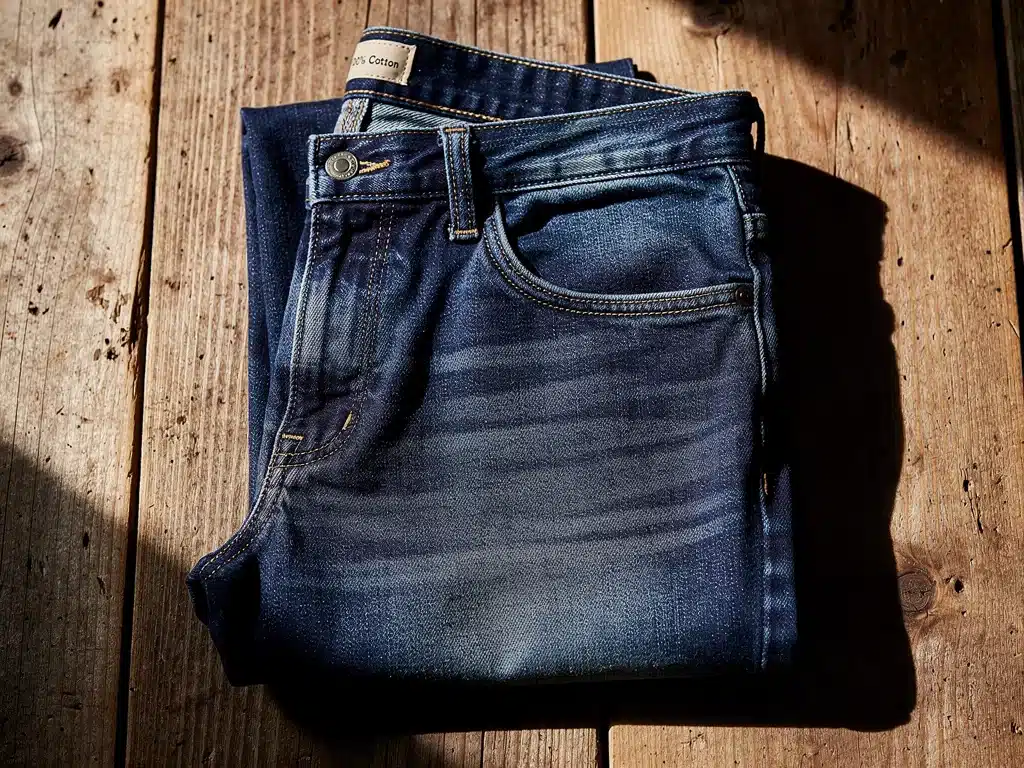
The timeless appeal of authentic Cotton Denim is driving a major resurgence in contemporary street style and vintage fashion circles. Fast-fashion shoppers and trendsetters alike are swapping synthetic stretch fabrics for non-stretch, rigid jeans built to last.
This shift toward unblended natural fibers reflects a growing desire for durability, classic silhouettes, and sustainable wardrobe staples. Unlike elastane-blended jeans that lose shape over time, pure indigo weave develops unique fading patterns that age beautifully with every wear.
Rediscovering traditional heritage textiles is redefining daily workwear and high-end fashion lines. Here is why fashion enthusiasts are embracing raw rigid pants and how to style this timeless wardrobe essential.
The Shifting Tides: From Stretch to Rigid Denim
For over a decade, stretch denim, often blended with elastane, dominated the market due to its comfort and flexibility. This innovation allowed for a wider range of fits and appealed to a broad consumer base seeking ease of movement in their everyday wear.
However, recent years have seen a growing disillusionment with elastane blends, primarily due to issues of longevity and a perceived lack of authenticity.
Consumers reported that stretch denim often lost its shape, sagged, or wore out faster than its traditional counterparts, leading to a demand for more durable alternatives.
This sentiment has fueled the 100% cotton denim comeback, as brands and shoppers alike rediscover the enduring qualities of pure cotton. The desire for garments that last longer and develop a unique patina over time is now a significant driving force in the denim industry.
Durability and Longevity: The Core Appeal of Pure Cotton
One of the primary reasons behind the 100% cotton denim comeback is its unparalleled durability. Unlike elastane blends which can degrade with frequent washing and wear, pure cotton denim maintains its structural integrity, offering a garment that truly stands the test of time.
This inherent toughness means that a pair of 100% cotton jeans can be a long-term investment, resisting tears and maintaining its form far longer than stretch versions.
This characteristic is particularly appealing to a generation of consumers who are increasingly conscious of fast fashion’s environmental impact.
The ability of 100% cotton denim to age gracefully, developing personalized fades and whiskering, further enhances its appeal. This natural evolution is a key aspect of its longevity, transforming a simple pair of jeans into a unique garment with character.
The Environmental Footprint of Denim Choices
- Reduced Waste: Longer-lasting garments mean fewer replacements and less textile waste in landfills.
- Natural Fibers: Cotton is a natural, biodegradable fiber, contrasting with synthetic elastane.
- Sustainable Practices: Growing consumer demand encourages brands to source organic or sustainably grown cotton.
The environmental considerations extend beyond just the raw materials. The manufacturing processes and the end-of-life cycle of denim products are under scrutiny, with pure cotton offering more eco-friendly options for recycling and decomposition.
The Allure of Authenticity: Vintage Aesthetics and Heritage
The 100% cotton denim comeback is deeply intertwined with a strong desire for authenticity and vintage aesthetics. Consumers are increasingly seeking out styles that evoke a sense of heritage and timelessness, moving away from fleeting trends.
Pure cotton denim, with its rigid feel and ability to develop unique wear patterns, perfectly embodies this vintage appeal. It harks back to the classic denim worn by icons throughout history, offering a genuine connection to denim’s rich cultural past.
This preference for authentic denim is not just about looks; it’s about the experience of wearing a garment that molds to the body over time, becoming a second skin.
The rigid initial feel gives way to a personalized comfort that stretchy fabrics simply cannot replicate, solidifying the 100% cotton denim comeback.
Why Vintage-Inspired Styles Resonate Today
- Timeless Appeal: Classic denim designs transcend seasonal trends, offering enduring style.
- Personalized Wear: Pure cotton molds to the wearer, creating unique fades and fit over time.
- Cultural Connection: Owning a piece of denim history and its associated rugged charm.
The rise of social media and fashion influencers showcasing vintage denim has further amplified this trend. These platforms highlight the unique character and story behind each pair of pure cotton jeans, inspiring a new generation to embrace the authentic look and feel.
Comfort and Fit: Re-evaluating Expectations
While elastane blends initially promised superior comfort, the 100% cotton denim comeback suggests a re-evaluation of what true comfort entails. Many consumers now equate comfort not with stretch, but with the perfect broken-in feel of rigid denim.
Initially, 100% cotton denim can feel stiff, but with wear, it softens and adapts to the wearer’s body in a way that stretch denim cannot. This personalized fit and increasing comfort over time are key factors influencing the current market shift.
The perception that rigid denim is uncomfortable is gradually being dispelled as more consumers experience the long-term benefits of pure cotton. The initial investment in breaking in a pair of 100% cotton jeans is now seen as a worthwhile endeavor for superior comfort and fit.
The Role of Brands and Designers in the Comeback
Major denim brands and independent designers are actively contributing to the 100% cotton denim comeback. Recognizing the shifting consumer preferences, many are reintroducing classic 100% cotton lines and innovating with new washes and fits in pure denim.
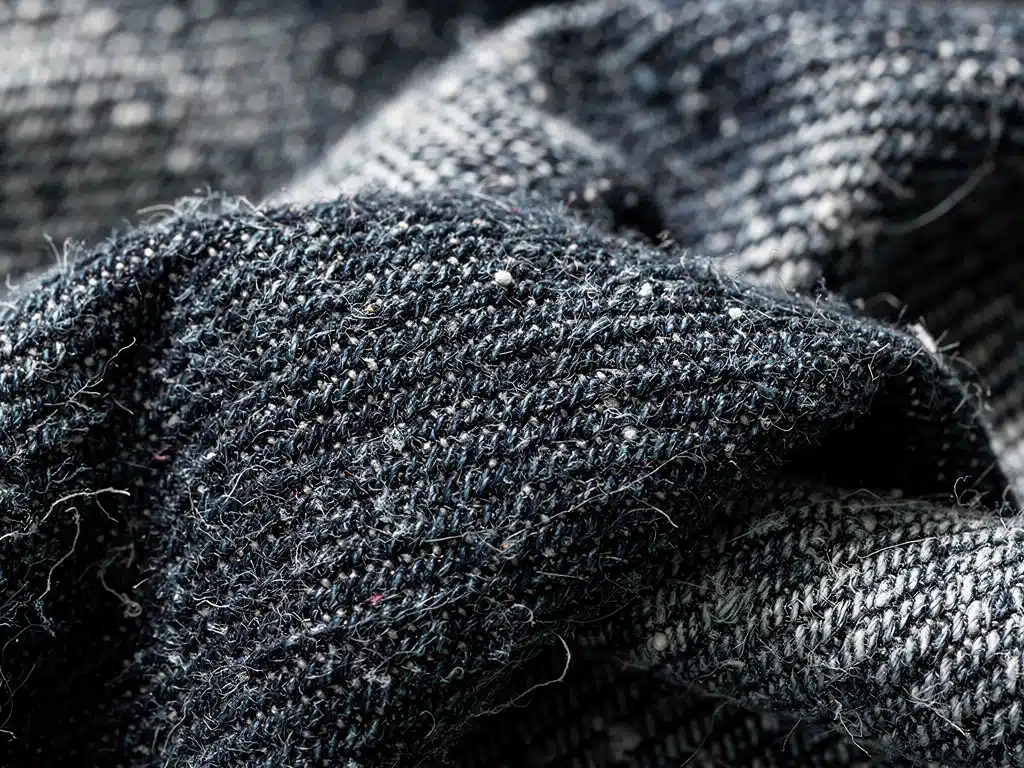
Designers are embracing the challenge of working with rigid denim, creating contemporary styles that still honor the material’s traditional characteristics. This includes exploring different weights, weaving techniques, and finishes to offer a diverse range of 100% cotton options.
Marketing campaigns are also playing a crucial role, emphasizing the heritage, durability, and sustainable aspects of pure cotton denim.
Brands are educating consumers on the benefits of investing in high-quality, long-lasting garments, further solidifying the 100% cotton denim comeback.
Innovations in 100% Cotton Denim Production
- New Wash Techniques: Developing eco-friendly washes that enhance the natural texture of rigid denim.
- Sustainable Sourcing: Increased focus on organic and recycled cotton to meet environmental demands.
- Advanced Weaving: Creating softer, more pliable 100% cotton fabrics without compromising durability.
The industry’s response indicates a long-term commitment to pure cotton. This collaborative effort between consumers and brands is crucial for sustaining the momentum of the 100% cotton denim comeback and ensuring its continued presence in mainstream fashion.
Consumer Education and Conscious Consumption
The current 100% cotton denim comeback is also a reflection of a more informed and conscious consumer base. Shoppers are increasingly researching the materials and production methods behind their clothing, prioritizing ethical and sustainable choices.
This heightened awareness has led to a greater appreciation for the intrinsic value of 100% cotton denim, moving beyond mere aesthetics to embrace its environmental and longevity benefits. Consumers are willing to pay more for quality items that align with their values.
Educational efforts by brands and fashion advocates are helping to demystify rigid denim, teaching consumers how to care for it and appreciate its unique qualities. This empowerment of the consumer is a vital component of the sustained 100% cotton denim comeback.
The Economic Impact: Investing in Quality
The shift towards 100% cotton denim also carries economic implications for both consumers and the industry. While pure cotton jeans might have a higher upfront cost compared to some elastane blends, their extended lifespan offers greater value in the long run.
Consumers are increasingly viewing denim as an investment piece, opting for fewer, higher-quality garments that will last for years. This contrasts with the fast fashion model, where lower prices often mean shorter lifespans and more frequent purchases.
For manufacturers, the 100% cotton denim comeback encourages a focus on craftsmanship and sustainable production practices. This can lead to more stable supply chains and a reduced reliance on volatile synthetic material markets, benefiting the industry as a whole.

Forecasting the Future: A Lasting Trend?
The question remains whether the 100% cotton denim comeback is a fleeting trend or a lasting shift in consumer preference. Industry analysts suggest that the underlying drivers – durability, sustainability, and authenticity – are not temporary fads.
These values are becoming increasingly embedded in consumer behavior, particularly among younger generations. As such, the demand for pure cotton denim is likely to continue growing, solidifying its place as a staple in modern wardrobes.
While elastane blends may still hold a niche for specific performance wear or extreme comfort, the broader market appears to be firmly in favor of traditional denim. The 100% cotton denim comeback is more than a trend; it’s a reassertion of classic quality and conscious consumption.
| Key Aspect | Description |
|---|---|
| Durability | 100% cotton denim offers superior longevity and resistance to wear compared to elastane blends. |
| Authenticity | The demand for vintage aesthetics and genuine denim feel drives the pure cotton resurgence. |
| Sustainability | Natural fibers and longer product lifecycles align with conscious consumer values. |
| Comfort Evolution | Redefined comfort, valuing broken-in rigid denim over initial stretch. |
Frequently Asked Questions About the 100% Cotton Denim Comeback
The 100% cotton denim comeback is driven by a desire for durability, authenticity, and sustainability. Consumers are seeking longer-lasting garments with a classic, vintage feel that develops unique character over time, moving away from less durable stretch blends.
Pure cotton denim is significantly more durable than elastane blends. Elastane can degrade and lose its elasticity, leading to sagging and quicker wear. 100% cotton maintains its structure and can last for many years, becoming softer and more personalized with age.
Initially, 100% cotton denim can feel stiffer, but it molds to the wearer’s body over time, providing a custom, comfortable fit. Many consumers now prefer this broken-in feel over the immediate, but often temporary, comfort offered by stretch fabrics, supporting the 100% cotton denim comeback.
Choosing 100% cotton denim supports sustainability through natural, biodegradable fibers and longer product lifecycles. This reduces textile waste and encourages more eco-friendly manufacturing practices, aligning with a growing demand for sustainable fashion choices.
While the 100% cotton denim comeback is strong, elastane blends are unlikely to disappear entirely. They will likely retain a niche market for consumers prioritizing extreme flexibility or specific performance needs. However, pure cotton is expected to dominate mainstream fashion for its classic appeal.
Impact and Implications
The 100% cotton denim comeback signals a significant recalibration within the fashion industry, prioritizing enduring quality and authenticity over transient comfort trends.
This shift reflects a deeper consumer consciousness regarding sustainability and investment in long-lasting garments.
Moving forward, observers should monitor how brands innovate within the pure cotton framework and how this trend influences broader textile production and consumption patterns, especially as environmental concerns continue to shape purchasing decisions.