Avoid Shrinkage: 5 Fabric Blends That Shrink by Over 10% in the Dryer
Advertisements
Certain textile blends—particularly cotton combined with viscose, rayon, or wool—are highly susceptible to shrinkage caused by thermal heat and mechanical friction.
Utilizing cold-water wash cycles, mild detergents, and air-drying methods is essential for preserving garment dimensions and long-term fabric durability.
Understanding Fabric Blends and Shrinkage
Fabric shrinkage is a common laundry problem, particularly when dealing with blended materials. Natural fibers like cotton and wool are known to shrink due to their molecular structure, which can contract under heat and moisture.
When these are combined with synthetic fibers, the behavior becomes more complex.
The interaction between different fibers in a blend determines the overall shrinkage potential. Some synthetic fibers, while stable on their own, can exacerbate the shrinkage of natural components by trapping heat or altering the fabric’s tension.
This intricate interplay makes predicting and preventing fabric blends shrinkage a critical aspect of garment care.
Consumers often overlook care labels, leading to unexpected shrinkage of their favorite clothes. However, even with careful attention, certain blends inherently pose a higher risk.
Identifying these specific fabric blends and adopting tailored laundry routines is the first step toward preserving your garments.
The Science Behind Dryer-Induced Shrinkage
The primary mechanisms behind dryer-induced shrinkage involve heat, moisture, and mechanical agitation.
Natural fibers, such as cotton and wool, are particularly susceptible because their internal structures are held together by hydrogen bonds. When exposed to water, these bonds break, allowing the fibers to swell and relax.
Upon drying, especially under high heat, these relaxed fibers can re-form their bonds in a more compact state, leading to a reduction in fabric size.
The mechanical tumbling action of a dryer further aids this compaction process, intensifying the fabric blends shrinkage. Synthetic fibers, on the other hand, are thermoplastic and can melt or distort under extreme heat, though they are generally more stable than natural fibers.
When natural and synthetic fibers are blended, the synthetic components might not shrink themselves, but they can restrict the natural fibers, causing tension and sometimes even permanent deformation.
Understanding this scientific basis is essential for developing effective strategies to prevent unwanted fabric blends shrinkage in the dryer.
Top 5 Fabric Blends Prone to Significant Shrinkage
Several fabric blends consistently exhibit significant shrinkage, often exceeding 10%, when subjected to conventional dryer settings.
These blends typically combine natural fibers with synthetics, creating a challenging dynamic for laundry care. Identifying these specific blends is crucial for proactive prevention.
The combination of absorbent natural fibers and heat-sensitive synthetics often results in unpredictable and severe shrinkage.
Consumers should be particularly wary of garments made from these materials, prioritizing gentle care methods to preserve their original dimensions. Ignoring these risks can lead to irreversible damage to clothing items.
Understanding the unique properties of each blend allows for targeted care, minimizing the risk of excessive fabric blends shrinkage.
We will now explore the five most common culprits that demand extra attention during the washing and drying process.
Cotton-Rayon Blends: A Common Shrinkage Culprit
Cotton-rayon blends are highly popular for their comfort and drape, but they are notorious for significant shrinkage, especially rayon.
Rayon, a regenerated cellulose fiber, loses strength when wet and is highly susceptible to heat. When blended with cotton, which also shrinks, the combination becomes particularly vulnerable to dryer damage.
The cellulose structure of rayon swells considerably when wet and can contract drastically when dried with heat.
This contraction pulls on the cotton fibers, leading to a combined effect that results in substantial fabric blends shrinkage. Many consumers find their favorite cotton-rayon garments dramatically reduced in size after a single machine drying cycle.
- Washing: Use cold water on a delicate cycle.
- Drying: Air dry flat or hang dry. Avoid the dryer completely.
- Care Tip: Reshape garments gently while damp.
Wool-Acrylic Blends: Battling Felting and Compaction
Wool is well-known for its tendency to felt and shrink under heat and agitation. When blended with acrylic, a synthetic fiber often used to mimic wool’s softness, the behavior can still be problematic.
While acrylic itself is more stable, it doesn’t prevent the wool component from shrinking or felting, which can lead to a dense, smaller garment.
The scales on wool fibers interlock and become permanently entangled under the combined forces of heat, moisture, and friction, a process known as felting.
The acrylic fibers, while not felting, can become distorted or contribute to the overall compaction if subjected to high temperatures, intensifying the fabric blends shrinkage. This blend requires careful handling to maintain its texture and size.
- Washing: Hand wash in cold water with wool-specific detergent.
- Drying: Lay flat on a clean towel to air dry.
- Care Tip: Do not wring or twist; gently press out excess water.
Linen-Cotton Blends: Natural Fiber Contraction
Linen and cotton are both natural fibers celebrated for their breathability and comfort, but they share a common vulnerability: shrinkage.
When combined, a linen-cotton blend offers desirable qualities but also carries a heightened risk of significant fabric blends shrinkage in the dryer. Both fibers contract substantially when exposed to high heat and agitation.
The rigid structure of linen fibers, combined with the absorbent nature of cotton, means that both components will absorb water and relax.
Subsequent exposure to the heat and tumbling of a dryer causes these fibers to tighten and re-bond in a smaller configuration. This often leads to a noticeable reduction in garment dimensions, impacting fit and comfort.
To preserve the integrity and size of linen-cotton blend garments, it is imperative to adopt gentle washing and drying techniques.
Ignoring these precautions can result in permanent and significant fabric blends shrinkage, diminishing the lifespan and wearability of these comfortable textiles. Proactive care is key to maintaining their desirable characteristics.
Preventative Washing Techniques for Shrink-Prone Blends
Preventing fabric blends shrinkage begins long before the garment enters the dryer. The washing stage is critical, as it sets the stage for how fibers will react to subsequent heat exposure.
Adopting specific washing techniques can significantly reduce the risk of unwanted size reduction.
Cold water is almost always the safest choice for shrink-prone blends, as heat can prematurely relax fibers and prepare them for compaction.
Additionally, using a delicate cycle minimizes agitation, which is another key factor in fiber entanglement and shrinkage. These initial steps are fundamental in safeguarding your clothing.
Furthermore, selecting the right detergent and avoiding harsh chemicals can help maintain fiber integrity, making them less susceptible to shrinkage.
By implementing these preventative washing techniques, consumers can proactively combat fabric blends shrinkage and extend the life of their garments.
Cold Water and Delicate Cycles
Washing garments in cold water is paramount for preventing fabric blends shrinkage. Cold water helps maintain the stability of fibers, particularly natural ones, by preventing them from swelling excessively or relaxing too much.
This reduces their susceptibility to contracting when later exposed to heat.
Coupling cold water with a delicate or gentle wash cycle further minimizes the risk. Delicate cycles use less agitation, which is crucial for preventing the physical manipulation of fibers that can lead to shrinkage and felting.
This combination provides a gentle environment that helps preserve the original structure and size of the fabric.
For blends particularly prone to shrinkage, such as cotton-rayon or wool-acrylic, these settings are non-negotiable.
Ignoring them significantly increases the likelihood of irreversible fabric blends shrinkage, leading to disappointment and wasted garments. Prioritizing these settings is a simple yet effective preventative measure.
Using Mild Detergents and Avoiding Harsh Chemicals
The type of detergent used can also play a role in preventing fabric blends shrinkage.
Mild detergents are formulated to clean effectively without stripping natural oils or damaging delicate fibers. Harsh chemicals, on the other hand, can weaken fabric structures, making them more vulnerable to shrinkage and overall degradation.
Opt for pH-neutral detergents specifically designed for delicate fabrics or wool. These products are gentle on fibers, helping to preserve their elasticity and strength.
Strong bleaches or aggressive stain removers should be avoided, as they can compromise the integrity of both natural and synthetic components within a blend.
By choosing appropriate cleaning agents, you contribute to the longevity of your garments and minimize the risk of unwanted fabric blends shrinkage.
This attention to detail in your washing routine is a critical step in maintaining the quality and fit of your clothes, especially those made from sensitive blends.
Safe Drying Methods to Avoid Shrinkage
Once garments are washed, the drying process presents the next major challenge for preventing fabric blends shrinkage. The high heat and tumbling action of conventional dryers are primary causes of irreversible size reduction.
Implementing alternative drying methods is essential for protecting delicate and shrink-prone fabrics.
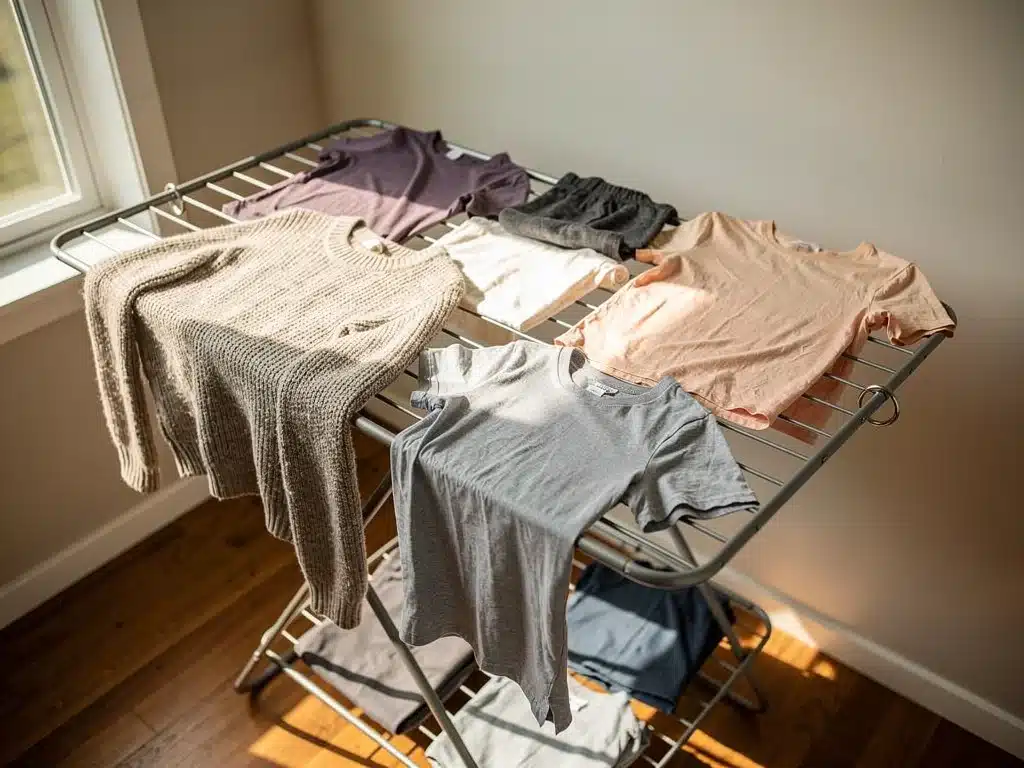
Air drying, whether flat or on a hanger, is generally the safest approach. This method allows fibers to dry naturally without the stress of heat or mechanical agitation, preserving their original structure.
While it takes longer, the benefits of preventing shrinkage and maintaining garment quality are substantial.
For those times when some machine drying is necessary, specific low-heat and short-duration techniques can be employed. However, these must be used with extreme caution and only for fabrics that can tolerate minimal heat.
Prioritizing air drying remains the most effective strategy against fabric blends shrinkage.
Air Drying: The Safest Option
Air drying is unequivocally the safest and most recommended method for garments susceptible to fabric blends shrinkage.
This technique eliminates the risk of heat-induced contraction and the mechanical stress of tumbling. Laying garments flat or hanging them allows fibers to gently return to their natural state as they dry.
When air drying, ensure proper ventilation to prevent mildew and speed up the drying process. For delicate items like sweaters or knitwear, laying them flat on a clean, dry surface or a mesh drying rack is ideal to maintain their shape.
Hanging heavier items can sometimes cause stretching, so consider their weight and structure.
While air drying requires more time and space than machine drying, the preservation of garment size, shape, and overall quality is a worthwhile trade-off.
It is the most reliable method to completely avoid fabric blends shrinkage and extend the lifespan of your clothing investments.
Low Heat and Short Cycles: A Cautious Approach
For some fabric blends that are slightly less sensitive or when air drying is not feasible, using a dryer on the lowest heat setting for a very short cycle can be an option, but it requires extreme caution.
The goal is to remove just enough moisture to allow for easier air drying, not to fully dry the garment in the machine.
Use the “air fluff” or “no heat” setting if available, which tumbles clothes without applying heat. This can help remove excess moisture and reduce air-drying time without causing fabric blends shrinkage.
Always check the garment periodically to ensure it’s not overheating or beginning to shrink.
As soon as the garment is damp but not fully dry, remove it from the dryer and immediately air dry it flat or on a hanger. This two-step process minimizes heat exposure while still leveraging some convenience of the machine.
This method is a compromise and should only be used when absolutely necessary for preventing significant fabric blends shrinkage.
Emergency Measures: Reshaping Shrunken Garments
Even with the best intentions and preventative measures, sometimes fabric blends shrinkage can still occur.
When a garment emerges from the dryer smaller than desired, there are a few emergency measures that can sometimes help to partially restore its original size.
These methods are not guaranteed to fully reverse shrinkage, but they can often improve the situation.
The key to successful reshaping lies in acting quickly and gently. Fibers that have contracted due to heat can sometimes be coaxed back into a more relaxed state if treated while still damp or re-dampened.
This process involves carefully stretching the fabric back into its intended dimensions, allowing it to dry in the stretched position.
While these techniques offer a glimmer of hope for shrunken items, they should be considered a last resort rather than a regular solution.
The most effective strategy against fabric blends shrinkage remains prevention through proper washing and drying practices, but knowing these emergency steps can salvage a beloved item.
Soaking and Gentle Stretching
For garments that have experienced fabric blends shrinkage, a common emergency measure involves soaking them in a solution that helps relax the fibers.
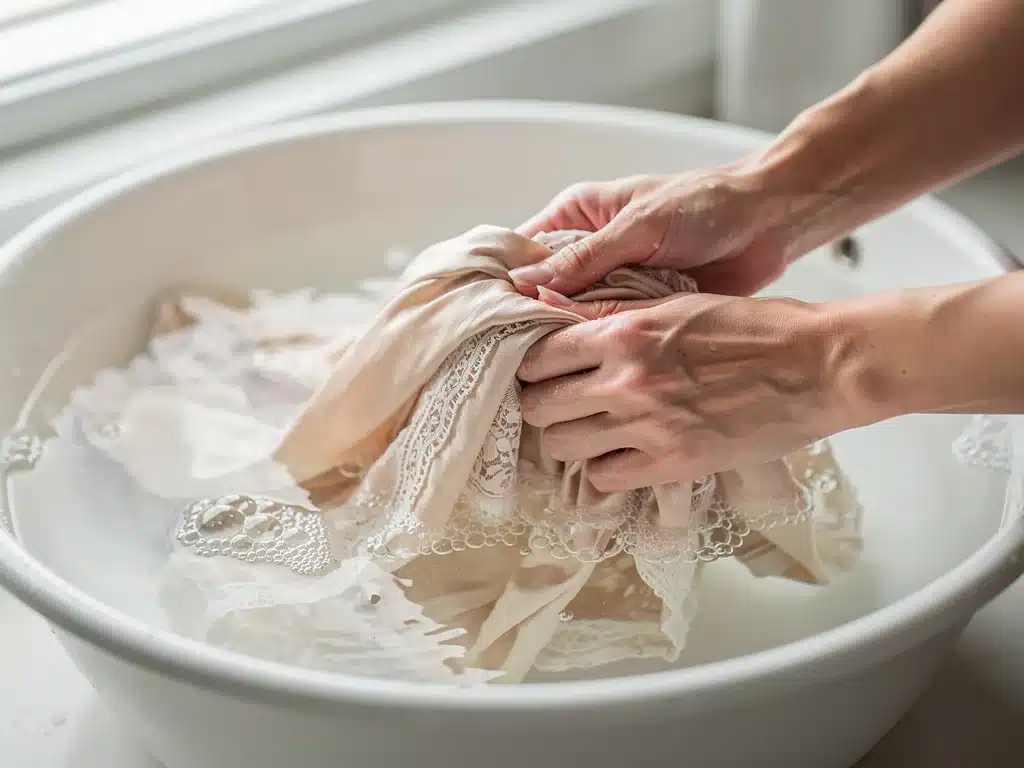
Fill a basin with lukewarm water and add a small amount of hair conditioner or baby shampoo; these products can help soften and detangle the fibers, making them more pliable for stretching.
Submerge the shrunken garment completely and let it soak for about 20-30 minutes. This allows the fibers to absorb water and relax.
After soaking, gently squeeze out excess water without wringing or twisting. Lay the garment flat on a clean towel and carefully begin to stretch it back into its original shape and size.
Pin the edges of the garment to a foam board or another flat surface to hold the stretched shape as it air dries.
This method can be particularly effective for wool and cotton blends, helping to mitigate the effects of fabric blends shrinkage, though complete restoration is not always possible. Patience and gentle handling are crucial.
Long-Term Care for Blended Fabrics
Beyond immediate washing and drying techniques, long-term care practices are vital for maintaining the quality and size of fabric blends susceptible to shrinkage.
Proper storage, timely stain removal, and understanding the nuances of textile composition contribute significantly to garment longevity. Consistent attention to these details can prevent future issues.
Reviewing care labels before every wash cycle, even for items you’ve laundered before, is a good habit. Fabric compositions can sometimes vary between similar garments, and labels provide the most accurate instructions.
This vigilance ensures that each item receives the specific care it needs, minimizing the risk of fabric blends shrinkage.
Investing in quality garment care tools, such as mesh laundry bags for delicate items or specialized detergents for specific fibers, also contributes to better long-term outcomes.
By integrating these practices, consumers can effectively manage and prevent the challenges associated with fabric blends shrinkage, preserving their wardrobe for years.
| Key Point | Brief Description |
|---|---|
| Identify Blends | Recognize cotton-rayon, wool-acrylic, linen-cotton, etc., as high-risk blends. |
| Cold Wash | Always use cold water and a delicate cycle to prevent fiber relaxation. |
| Air Dry | Lay flat or hang dry to avoid heat and agitation that cause shrinkage. |
| Emergency Stretch | Soak shrunken items in conditioner and gently stretch while damp. |
Frequently Asked Questions About Fabric Blends Shrinkage
Shrinkage depends on fiber type and how they are blended. Natural fibers like cotton and wool contract significantly with heat and moisture. When mixed with synthetics, the natural fibers still shrink, and the synthetics can sometimes exacerbate the effect or cause distortion, leading to noticeable fabric blends shrinkage.
Complete reversal of fabric blends shrinkage is rarely possible, especially if the item has been severely damaged by heat. However, partial restoration can sometimes be achieved by soaking the garment in a mild conditioner solution and gently stretching it back into shape while it’s damp. Success varies by fabric type and degree of shrinkage.
While synthetic fibers like polyester and nylon are generally more stable than natural fibers, blends containing them are not entirely immune to issues. High heat can still cause synthetic fibers to melt, distort, or contribute to the overall fabric blends shrinkage if combined with shrink-prone natural fibers. Always check care labels.
The best way to dry delicate fabric blends and prevent fabric blends shrinkage is always to air dry. Laying garments flat on a clean surface or a mesh drying rack helps maintain their shape and prevents stretching. Hanging can also be an option for certain items, but ensure they are not too heavy to avoid distortion.
“Pre-shrunk” fabric indicates that the material has undergone a controlled shrinking process during manufacturing to minimize future fabric blends shrinkage. While it significantly reduces the likelihood of further shrinking, it does not guarantee zero shrinkage. High heat or aggressive washing can still cause some additional contraction, so follow care instructions.
What this teaches
The information presented highlights the critical importance of understanding material composition and adopting appropriate laundry practices to combat fabric blends shrinkage.
Consumers are empowered to make informed decisions that extend the life and maintain the fit of their garments.
This knowledge transforms routine laundry into a strategic effort to preserve clothing quality and value, especially for those highly susceptible blends.
For detailed care instructions and practical washing techniques to protect garment fit, check out the guide on Preventing T-Shirt Shrinkage by Bella+Canvas.