3-Point Seam Test: How to Spot Low-Quality Stitching Before Buying Any Garment
Advertisements
Have you ever purchased a new outfit only to watch its seams unravel after a single wash? Performing the 3-Point Seam Test gives savvy shoppers an immediate quality-check method before reaching the checkout counter.
This simple inspection technique evaluates stitch density, thread tension, and seam allowance to separate durable apparel from flimsy fast fashion.
By applying gentle tension along load-bearing joint lines, you can instantly reveal hidden structural flaws like skipped stitches or loose threads. Checking for uniform stitch density and smooth fabric lay ensures the clothing item maintains its tailored shape through repeated laundry cycles.
Mastering this quick inspection method protects your wardrobe budget and prevents early garment failure. Identifying superior tailoring habits in retail stores allows you to invest in long-lasting apparel that delivers real value for your money.
Understanding the Critical Role of Seams in Garment Quality
Seams are the foundational elements of any garment, dictating its structural integrity and overall durability. Their quality directly influences how well a piece of clothing withstands wear, washing, and the test of time, making them a primary indicator of craftsmanship.
A garment with poorly constructed seams will inevitably show signs of wear prematurely, leading to unraveling, tearing, and ultimately, a shortened lifespan. Recognizing the nuances of seam quality is therefore paramount for any discerning consumer aiming to make informed purchases.
The 3-Point Seam Test provides a practical framework for this assessment, allowing shoppers to quickly identify potential weaknesses that might otherwise go unnoticed. This proactive approach saves both money and frustration in the long run.
Deconstructing the 3-Point Seam Test: A Practical Guide
The 3-Point Seam Test is a straightforward yet highly effective method for evaluating the quality of stitching in any garment. It involves three distinct actions designed to reveal common flaws that indicate poor construction and potential durability issues.
This test can be performed quickly in a fitting room or store, providing immediate insights into a garment’s longevity. Mastering these three points can transform your shopping experience, helping you distinguish between well-made items and those destined for early retirement.
By systematically applying each step, consumers can gain confidence in their purchasing decisions, ensuring their money is spent on clothing that offers genuine value and enduring quality.
Point One: The Stretch and Release
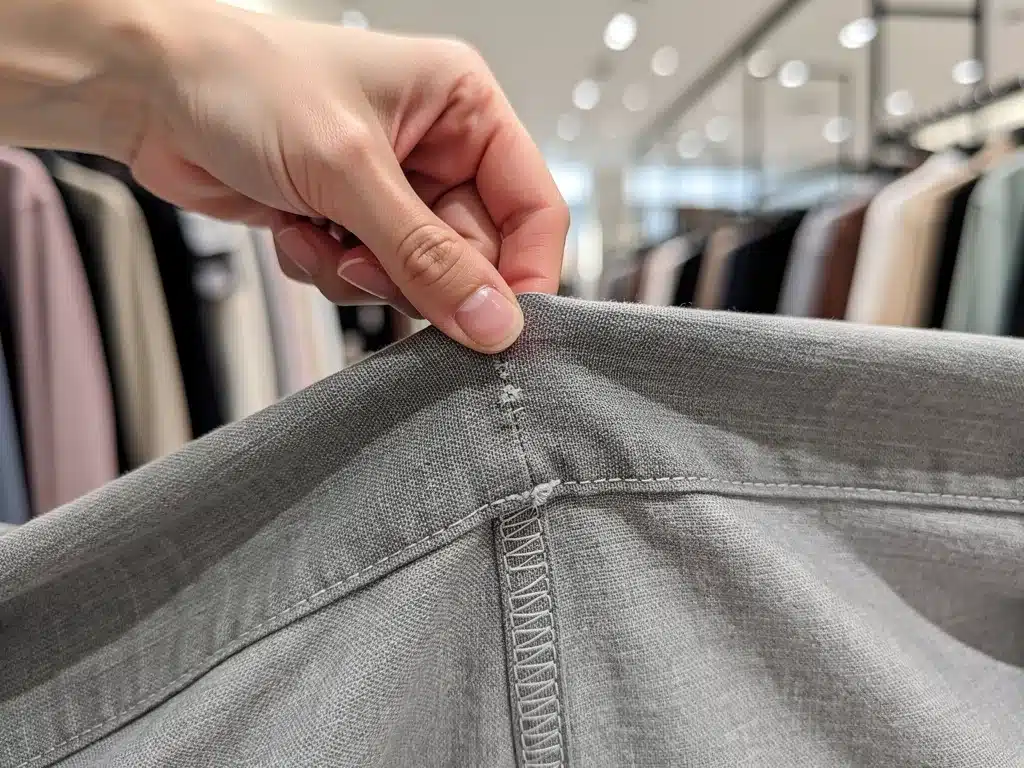
The first point of the 3-Point Seam Test involves gently stretching the fabric across the seam. This action simulates the natural stresses a garment will endure during wear, revealing how well the stitches hold up under tension.
Observe if the stitches remain tight and even, or if they pull apart, gape, or show signs of excessive strain. A high-quality seam will recover its original appearance without distortion, indicating strong thread and proper tension.
Conversely, a seam that visibly separates or creates small holes suggests weak stitching or an incorrect stitch type for the fabric, signaling a potential point of failure. This initial assessment is crucial for identifying immediate weaknesses.
Point Two: The Fabric Puckering Check
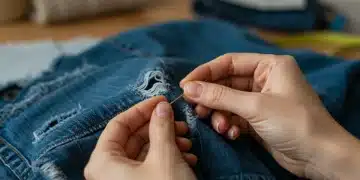
The second point focuses on fabric puckering around the seam. Puckering occurs when the fabric is not fed evenly through the sewing machine or when thread tension is improperly set, leading to an uneven and gathered appearance along the seam line.
Run your fingers along the seam to feel for any bumps or unevenness, and visually inspect for ripples or distortions in the fabric. A smooth, flat seam indicates careful construction and proper handling during the manufacturing process.
Significant puckering not only detracts from the garment’s aesthetic but also indicates structural weakness. The uneven tension can cause stitches to break more easily under stress, compromising the garment’s overall durability.
Point Three: The Thread Count and Type Assessment
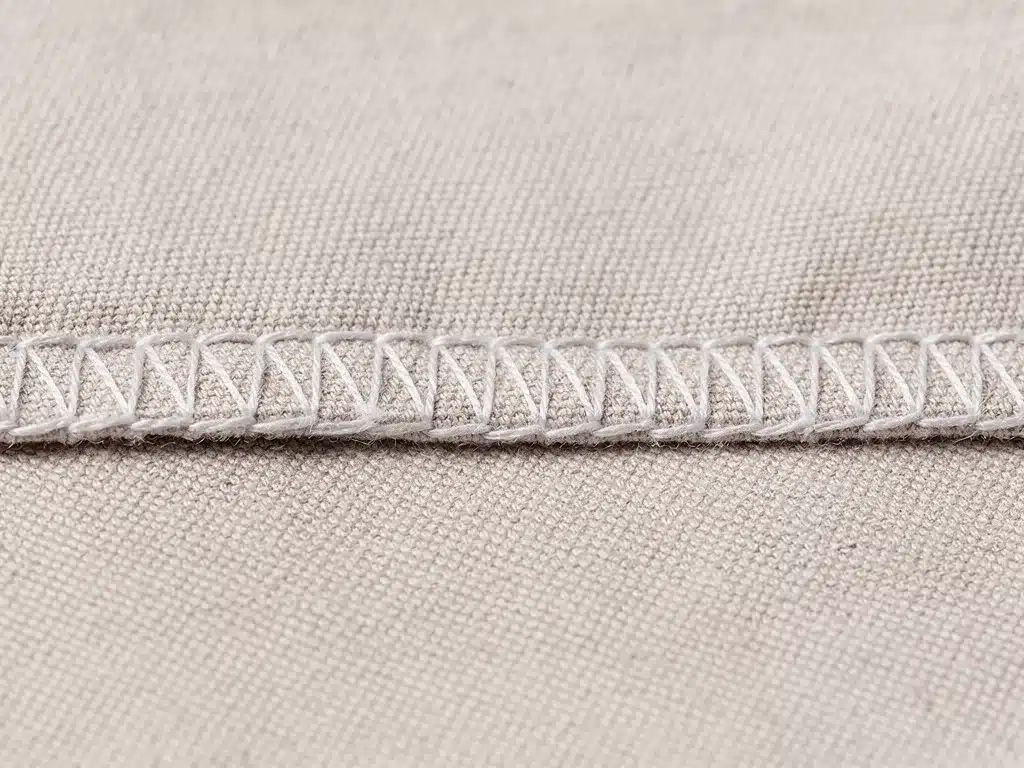
The third and final point requires a closer look at the threads themselves: their count, type, and finish. Higher quality garments typically feature a higher stitch per inch (SPI) count, meaning more stitches are used to secure the seam.
Carefully examine the stitches for uniformity in size and spacing, and note the thread’s thickness and material. Strong, durable threads like polyester or nylon blends are often preferred for their resilience, especially in high-stress areas.
Loose, thin, or easily frayed threads are a clear red flag, indicating a garment that will likely unravel quickly. This final inspection helps confirm the overall integrity of the seam and the manufacturer’s commitment to quality.
Applying these three points systematically allows consumers to quickly assess a garment’s construction. This method is particularly effective for identifying hidden flaws that might not be apparent at first glance.
Common Stitching Flaws the 3-Point Seam Test Reveals
The 3-Point Seam Test is exceptionally effective at exposing a range of common stitching flaws that compromise garment quality and longevity. These issues, often overlooked by the casual shopper, can lead to premature wear and dissatisfaction.
Understanding these specific defects enhances the test’s utility, allowing consumers to pinpoint exactly where a garment’s construction falls short. This knowledge empowers them to make more discerning choices, avoiding items that are prone to rapid deterioration.
From uneven tension to skipped stitches, the test provides a clear diagnostic tool for identifying substandard workmanship, ensuring that purchased garments meet a reasonable standard of durability.
Uneven Stitch Tension
- Stitches appear tight in some areas and loose in others.
- Causes fabric to pucker or pull, creating weak spots.
- Indicates improper machine calibration during manufacturing.
Uneven stitch tension is a significant indicator of poor quality, often leading to seams that gape or tear under minimal stress. This flaw is readily apparent during the stretch and release phase of the 3-Point Seam Test.
Skipped or Broken Stitches
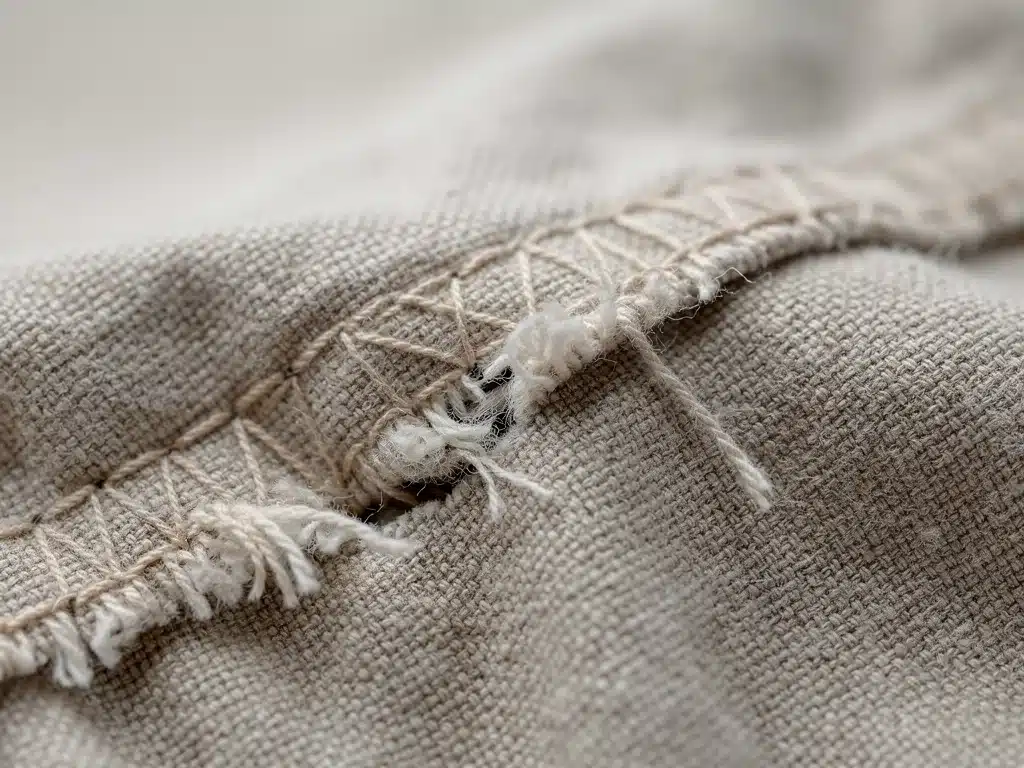
- Gaps where stitches should be, or threads that are visibly broken.
- Creates immediate vulnerabilities in the seam, leading to unraveling.
- Suggests manufacturing errors or low-quality thread that cannot withstand stress.
Skipped or broken stitches are critical defects that severely compromise a seam’s integrity. These are often visible upon close inspection, particularly during the thread count assessment of the 3-Point Seam Test.
Raw or Fraying Edges
- Fabric edges within the seam are not properly finished, leading to fraying.
- Indicates a lack of proper overlocking or serging, common in cheaper garments.
- Accelerates seam deterioration, especially after washing.
Raw or fraying edges within a seam are a sign of cost-cutting measures that directly impact durability. While not a stitching flaw per se, it is a construction defect that the 3-Point Seam Test helps to indirectly identify by revealing overall poor craftsmanship.
The Impact of Low-Quality Stitching on Garment Lifespan and Value
Low-quality stitching has a profound and direct impact on a garment’s lifespan, drastically reducing how long it remains wearable and presentable. What might seem like a minor flaw at purchase can quickly escalate into significant structural damage, leading to early disposal.
This premature deterioration represents a significant loss of value for the consumer, as the garment fails to provide the expected utility and durability. The initial savings on a cheaply made item are often negated by the need for frequent replacements, creating a cycle of consumption.
Furthermore, the environmental cost of rapid textile waste is substantial, underscoring the importance of investing in well-made clothing. The 3-Point Seam Test serves as a vital tool in breaking this cycle, promoting more sustainable fashion purchasing habits.
By identifying and rejecting garments with inferior stitching, consumers can actively demand higher quality from manufacturers. This shift in purchasing behavior encourages brands to prioritize durability, ultimately leading to a more sustainable and value-driven fashion industry.
Beyond the 3-Point Seam Test: Additional Quality Indicators
While the 3-Point Seam Test is a powerful tool, a comprehensive assessment of garment quality involves examining several other key indicators. These additional checks provide a more holistic view of craftsmanship, ensuring a truly well-made product.
Combining these observations with the seam test allows consumers to develop a keen eye for detail, becoming expert evaluators of clothing quality. This multi-faceted approach minimizes the risk of purchasing items that disappoint in terms of durability or finish.
From fabric choice to button attachment, every element contributes to the overall integrity of a garment. Understanding these nuances empowers consumers to make truly informed and lasting investments in their wardrobe.
Fabric Quality and Composition
The type and quality of the fabric are fundamental to a garment’s overall durability and comfort. Natural fibers like cotton, wool, and linen often offer better breathability and feel, while synthetic blends can provide stretch, water resistance, or increased strength.
Examine the fabric for consistency in weave, density, and any signs of thinning or piling. A well-constructed fabric will feel substantial and smooth, without visible imperfections or loose threads, indicating a higher-quality base material.
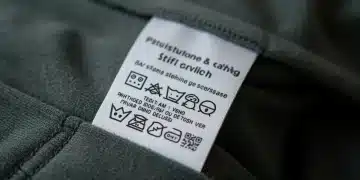
Understanding fabric composition, typically found on the care label, helps predict how the garment will wear and how much maintenance it will require. This knowledge complements the 3-Point Seam Test by assessing the foundation upon which the seams are built.
Hardware and Embellishments
The quality of hardware such as zippers, buttons, and snaps is another crucial indicator of a garment’s overall construction. Flimsy zippers, loosely attached buttons, or cheap plastic snaps are often tell-tale signs of a manufacturer cutting corners.
Test zippers to ensure they glide smoothly without snagging, and check that buttons are securely sewn with strong thread. High-quality hardware not only functions better but also contributes significantly to the garment’s longevity and aesthetic appeal.
Even small details like rivets and eyelets should be firmly set and free from rust or sharp edges. Attention to these embellishments signals a commitment to quality that extends beyond just the stitching, reinforcing the importance of a thorough inspection alongside the 3-Point Seam Test.
Empowering Consumers: Making Informed Decisions with the 3-Point Seam Test
Empowering consumers with tools like the 3-Point Seam Test is crucial in today’s dynamic retail landscape. This simple yet effective method allows individuals to move beyond superficial aesthetics and delve into the true structural integrity of garments.
By consistently applying this test, shoppers cultivate a critical eye, fostering a more conscious approach to consumption. This not only benefits individual buyers by ensuring more durable purchases but also collectively pushes the industry towards higher quality standards.
The ability to discern quality stitching before purchase translates directly into smarter investments, reducing textile waste and promoting a more sustainable wardrobe. The 3-Point Seam Test is a small effort with significant long-term rewards for both consumers and the environment.
This proactive inspection habit helps mitigate the frustration of garments falling apart prematurely. It transforms shopping from a passive activity into an active, informed decision-making process, ensuring every clothing purchase is a thoughtful one.
The Future of Garment Quality Assessment in a Fast-Fashion World
In a world dominated by fast fashion, the future of garment quality assessment increasingly relies on informed consumer choices and accessible tools like the 3-Point Seam Test. As production cycles shorten, the onus often falls on buyers to verify product durability.
Industry trends suggest a growing demand for transparency and sustainability, pushing manufacturers to re-evaluate their quality control processes. However, until universal standards are rigorously enforced, consumer vigilance remains a primary defense against low-quality goods.
The continued adoption and popularization of practical tests such as the 3-Point Seam Test will play a pivotal role in shaping market expectations. This collective action can drive significant change, encouraging brands to prioritize longevity over fleeting trends.
Educating for Durability: Integrating the 3-Point Seam Test into Everyday Shopping
Integrating the 3-Point Seam Test into everyday shopping habits requires a conscious effort and a commitment to quality over quantity. This educational shift empowers individuals to become more discerning consumers, capable of identifying well-made items.
Promoting awareness of this simple test, through workshops, online guides, and community initiatives, can significantly impact purchasing behaviors. The goal is to make seam inspection as routine as checking a price tag, fostering a culture of informed buying.
By consistently applying the 3-Point Seam Test, consumers not only protect their own investments but also contribute to a broader movement towards sustainable fashion. This collective action is essential for driving industry-wide improvements in garment durability.
| Key Point | Brief Description |
|---|---|
| Stretch & Release | Checks seam elasticity and stitch integrity under tension. |
| Fabric Puckering | Identifies uneven fabric feeding or thread tension issues. |
| Thread Count | Assesses stitch density and thread quality for durability. |
| Overall Value | Prevents premature wear and ensures lasting garment satisfaction. |
Frequently Asked Questions About the 3-Point Seam Test
The primary purpose of the 3-Point Seam Test is to help consumers quickly identify low-quality stitching in garments before purchase. It serves as a practical, on-the-spot method to assess durability and prevent buying items prone to early wear and tear, ensuring better value for money.
Yes, the 3-Point Seam Test is broadly applicable to most types of garments, from everyday wear to more formal attire. While the specific appearance of seams may vary with fabric type and garment construction, the underlying principles of checking tension, puckering, and thread quality remain consistent and effective.
The immediate benefits include avoiding buyer’s remorse due to quickly deteriorating clothing and making more informed purchasing decisions. It empowers consumers to select durable garments, saving money in the long run by reducing the need for frequent replacements and contributing to a more sustainable wardrobe.
No, the 3-Point Seam Test requires no special tools or advanced expertise. It relies on simple visual and tactile inspection, making it accessible to any shopper. The techniques are easy to learn and can be performed discreetly in a retail environment, providing quick, actionable insights.
By enabling consumers to identify and choose durable garments, the 3-Point Seam Test directly combats fast fashion’s disposability culture. It encourages purchasing fewer, higher-quality items that last longer, thereby reducing textile waste and the environmental impact associated with rapid clothing consumption, fostering sustainable practices.
What This Means
The rise of the 3-Point Seam Test signifies a crucial shift in consumer awareness and empowerment within the fashion industry. It underscores a growing demand for transparency and durability, pushing manufacturers to prioritize quality over sheer volume.
As consumers increasingly adopt such practical assessment tools, the market will inevitably respond, leading to a broader availability of well-made garments and a more sustainable consumption model.