Mastering Fabric Stain Removal: Your Ultimate Guide to Save Garments
Advertisements
Latest developments on fabric stain removal methods reveal advanced techniques and verified strategies to save commonly stained garments.
This report covers essential facts, effective solutions, and what consumers need to know now for successful stain treatment.
Mastering Fabric Stain Removal: A Step-by-Step Method to Save 80% of Commonly Stained Garments is a critical skill for maintaining clothing and reducing waste.
New insights and proven techniques are continually emerging, offering more effective ways to tackle stubborn marks.
This guide prioritizes practical, verified methods, ensuring readers can confidently approach various stains. Understanding the science behind stain removal is key to preserving garments and extending their lifespan.
Understanding the Enemy: Types of Stains and Their Nature
Effective fabric stain removal begins with identifying the type of stain you are dealing with. Different substances react uniquely with fabric fibers, requiring specific approaches for optimal results.
Knowing whether a stain is protein-based, oil-based, or dye-based will dictate the appropriate cleaning agents and techniques. Misidentifying a stain can often worsen the problem, setting the stain permanently.
This foundational knowledge is crucial for anyone looking to achieve successful fabric stain removal and preserve their wardrobe investments.
Protein-Based Stains: Blood, Food, and More
Protein stains, such as blood, egg, or milk, are common culprits that require careful handling. The key to treating these is avoiding hot water initially, as heat can cook the protein, making it much harder to remove from the fabric.
Cold water is your first line of defense, followed by enzymatic cleaners that break down protein molecules. Prompt action significantly increases the chances of complete fabric stain removal.
- Always use cold water first to rinse protein stains from fabric.
- Apply an enzymatic cleaner directly to the stain, allowing it to penetrate.
- Gently blot or rub the area, then rinse thoroughly before washing.
Oil-Based Stains: Grease, Butter, and Cosmetics
Oil-based stains, including grease, butter, lipstick, and certain sauces, present a different challenge. These stains require agents that can dissolve oil without damaging the fabric.
Absorbent powders like cornstarch or talcum powder can help draw out fresh oil, followed by a strong degreasing agent. Precision in application and patience are vital for successful fabric stain removal.
- Blot excess oil immediately with a clean cloth or paper towel.
- Sprinkle an absorbent powder over the stain and let it sit for several minutes.
- Apply a dish soap or specialized degreaser, then gently work it into the fabric.
The Immediate Action Protocol: Time is of the Essence
When it comes to fabric stain removal, acting quickly is paramount. The longer a stain sits, the more it penetrates the fabric fibers, making it significantly more difficult to remove.
Having a basic emergency kit for stains can dramatically improve your success rate. This proactive approach can prevent many common garment disasters from becoming permanent.
Understanding the immediate action protocol ensures you are prepared to tackle stains effectively the moment they occur, safeguarding your garments.
Blot, Don’t Rub: The Golden Rule
A common mistake in initial stain treatment is rubbing the affected area, which can spread the stain and push it deeper into the fibers. Instead, the correct technique is to blot.
Blotting gently lifts the stain from the fabric, rather than forcing it further in. Use a clean white cloth or paper towel, working from the outside of the stain inwards to prevent spreading.
- Use a clean white cloth or paper towel to blot the stain.
- Work from the outer edges of the stain towards the center.
- Repeat with fresh sections of the cloth until no more stain transfers.
Pre-Treatment Essentials: Products and Techniques
Pre-treating a stain before washing is a critical step in effective fabric stain removal. This involves applying a specialized product designed to break down the stain components.
Various pre-treatment options exist, from liquid stain removers to stain sticks and gels, each suited for different types of stains. Always follow the product instructions for best results.
- Choose a pre-treatment product appropriate for the stain type and fabric.
- Apply the product directly to the stain, ensuring full saturation.
- Allow the pre-treatment to sit for the recommended time to work its magic.
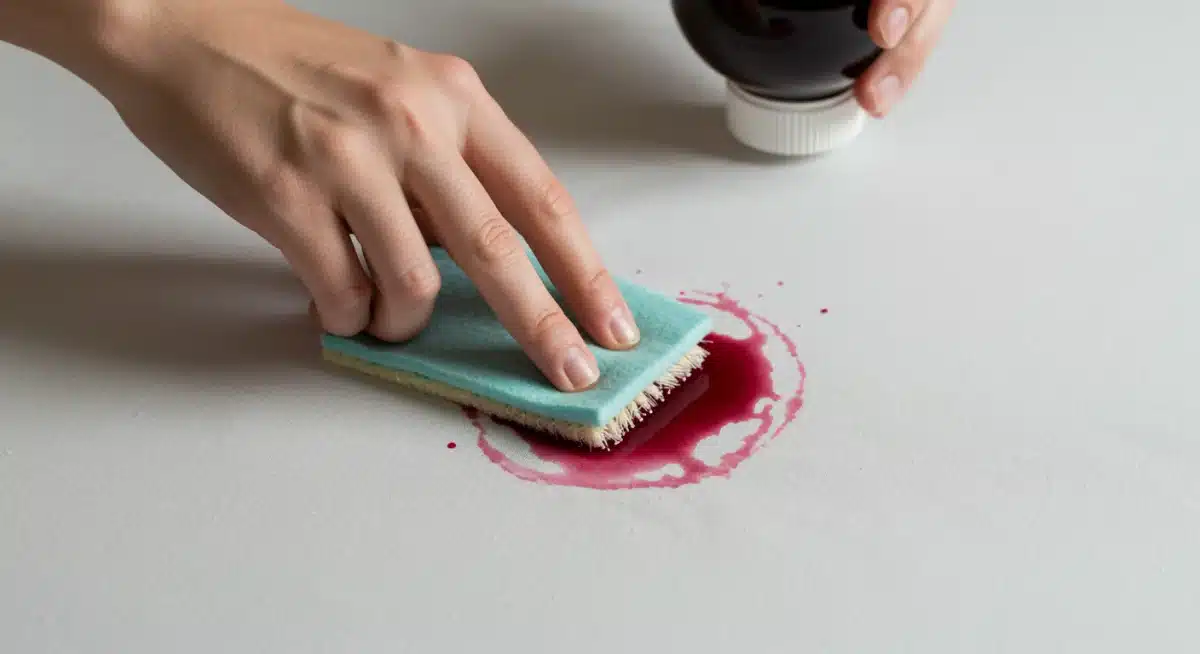
Experimenting with different pre-treatment methods can greatly enhance your fabric stain removal capabilities, particularly for stubborn or aged marks.
Selecting the Right Cleaning Agents for Optimal Results
Choosing the correct cleaning agent is a cornerstone of successful fabric stain removal. The vast array of products available can be overwhelming, but understanding their specific uses simplifies the process.
From enzymatic cleaners for proteins to oxygen bleaches for dyes, each agent has a role in tackling particular stain types. Using the wrong product can damage fabric or set the stain permanently.
This section guides you through the most effective cleaning agents, ensuring you make informed choices for every fabric stain removal challenge.
Enzymatic Cleaners: The Protein Powerhouses
Enzymatic cleaners are specifically formulated to break down organic stains like blood, food, and grass. They contain enzymes that digest protein, starch, and fat molecules, making them easy to rinse away.
These cleaners are particularly effective on fresh protein stains but can also work wonders on older, set-in marks. Always check if the product is safe for your fabric type before application.
- Ideal for organic stains such as blood, grass, and food residues.
- Allow the cleaner to sit on the stain for the recommended duration.
- Rinse thoroughly with cold water to remove broken-down stain particles.
Oxygen Bleaches: Brightening and Stain Lifting
Oxygen bleaches, often found in powder or liquid form, are excellent for brightening whites and colors while gently lifting stains. Unlike chlorine bleach, they are color-safe and less harsh on fabrics.
They work by releasing oxygen when mixed with water, which helps to break down stain molecules. This makes them a versatile tool in your arsenal for comprehensive fabric stain removal.
For optimal results, pre-soak stained garments in a solution of oxygen bleach and water. This allows the active oxygen to penetrate and lift the stain effectively, enhancing the overall fabric stain removal process.
Step-by-Step Application: A Methodical Approach
A systematic approach to applying stain removers and cleaning agents is crucial for successful fabric stain removal. Haphazard application can lead to uneven results or even damage to the garment.
Following a clear, step-by-step method ensures that each stage of the removal process is executed correctly. This methodical approach minimizes risks and maximizes the chances of a complete stain eradication.
This section outlines the precise steps for applying various stain treatments, guiding you through each critical phase of fabric stain removal.
Testing and Pre-Soaking: Crucial Preparations
Before applying any stain remover directly to a visible stain, always perform a patch test on an inconspicuous area of the garment. This verifies that the product will not cause discoloration or damage to the fabric.
For stubborn or large stains, pre-soaking the item in a suitable solution can significantly loosen the stain particles. This preparatory step enhances the effectiveness of subsequent treatments, aiding in overall fabric stain removal.
- Always test stain removers on a hidden seam or hem first.
- Pre-soak heavily stained items in cold water or a mild detergent solution.
- Ensure the garment is fully submerged during pre-soaking for even treatment.
Applying and Rinsing: Precision and Patience
When applying a stain remover, target the stain directly but avoid oversaturating the fabric. Use a clean cloth, sponge, or soft brush to gently work the product into the stained area.
After the recommended dwell time, rinse the area thoroughly with cold water. Ensure all traces of the stain and the cleaning agent are removed before proceeding to washing, which is vital for complete fabric stain removal.
Repeat the application and rinsing process if necessary until the stain is no longer visible. Patience and precision are key to avoiding damage and achieving a pristine finish during fabric stain removal.
Advanced Techniques for Stubborn Stains
Some stains prove particularly challenging, resisting initial treatment attempts. For these stubborn marks, advanced fabric stain removal techniques are often required to achieve success.
These methods may involve specialized products, specific fabric knowledge, or a combination of approaches. Persistence and careful execution are key when dealing with deeply ingrained or complex stains.
This section explores effective strategies for tackling even the most persistent stains, ensuring you have the tools to restore your garments.
Layering Treatments: Combining Forces
For complex stains, a single treatment might not be enough. Layering different types of stain removers, used sequentially, can often break down multi-component stains more effectively.
For example, an oil-based stain might first require a degreaser, followed by an enzymatic cleaner for any residual organic matter. Always rinse thoroughly between different applications to prevent adverse reactions, crucial for successful fabric stain removal.
- Identify all components of the stubborn stain for targeted treatment.
- Apply treatments sequentially, rinsing thoroughly after each step.
- Monitor the fabric for any adverse reactions during the layering process.
Heat and Sunlight: Friends or Foes?
Heat can be a powerful ally or a formidable foe in fabric stain removal. While some stains benefit from hot water or sunlight for bleaching, others can become permanently set by heat.
Always understand the nature of the stain before exposing it to heat sources. For instance, sun exposure can naturally bleach out certain dye stains from white fabrics, but it will set protein stains.
Exercising caution with heat and sunlight is a critical aspect of effective fabric stain removal, preventing accidental damage or permanent setting of the mark.
Post-Treatment Care: Ensuring Longevity
Once a stain has been successfully removed, proper post-treatment care is essential to ensure the garment’s longevity and prevent future issues. This stage involves careful washing and drying.
Ignoring post-treatment care can lead to residual product buildup, fabric damage, or even the reappearance of the stain. A meticulous approach here completes the fabric stain removal cycle effectively.
Understanding the nuances of washing and drying after stain treatment helps maintain the garment’s condition and keeps it looking new.
Washing and Drying After Stain Removal
After treating a stain, wash the garment as usual, following the care label instructions. It is crucial to visually inspect the stained area before placing the item in the dryer.
Heat from a dryer can permanently set any remaining traces of a stain, making future removal almost impossible. If the stain is still visible, repeat the treatment process before drying.
- Inspect the garment thoroughly for any remaining stain before drying.
- Air dry the item if there is any doubt about complete stain removal.
- Follow all fabric care label instructions for washing and drying.
Preventative Measures and Stain Guards
Prevention is often the best strategy for avoiding the hassle of fabric stain removal. Applying fabric protectors or stain guards can create a barrier that repels liquids and prevents stains from setting.
For items prone to frequent staining, such as tablecloths or children’s clothing, these preventative measures are invaluable. They reduce the need for intensive cleaning and extend fabric life.
Regular maintenance and immediate attention to spills are key components of a comprehensive strategy for minimizing fabric stain removal efforts.
Common Pitfalls and How to Avoid Them
Even with the best intentions, mistakes can happen during fabric stain removal, often leading to frustration or irreversible damage. Awareness of common pitfalls is crucial for avoiding them.
From using the wrong product to improper drying, many errors can compromise the success of your efforts. Learning from these common missteps enhances your overall stain removal proficiency.
This section highlights frequent mistakes and provides actionable advice on how to steer clear of them, ensuring more effective and safer fabric stain removal.
Ignoring Fabric Type and Care Labels
One of the most significant errors in fabric stain removal is disregarding the fabric type and the garment’s care label. Different fabrics react differently to cleaning agents and temperatures.
Treating delicate silk like durable cotton can lead to irreparable damage. Always check the care label for specific washing instructions, material composition, and any warnings about certain chemicals.
This careful consideration prevents accidental harm to your garments and ensures the longevity of your clothes through precise fabric stain removal methods.
Over-Aggressive Scrubbing and Bleach Misuse
Aggressive scrubbing might seem like a quick solution, but it can abrade fabric fibers, causing pilling, thinning, or even holes. Gentle blotting and working the stain remover into the fabric are always preferred.
Misusing bleach, especially chlorine bleach on colored fabrics or delicate materials, can lead to irreversible discoloration or damage. Always opt for oxygen bleach for general use and use chlorine bleach only on white, bleach-safe fabrics with caution.
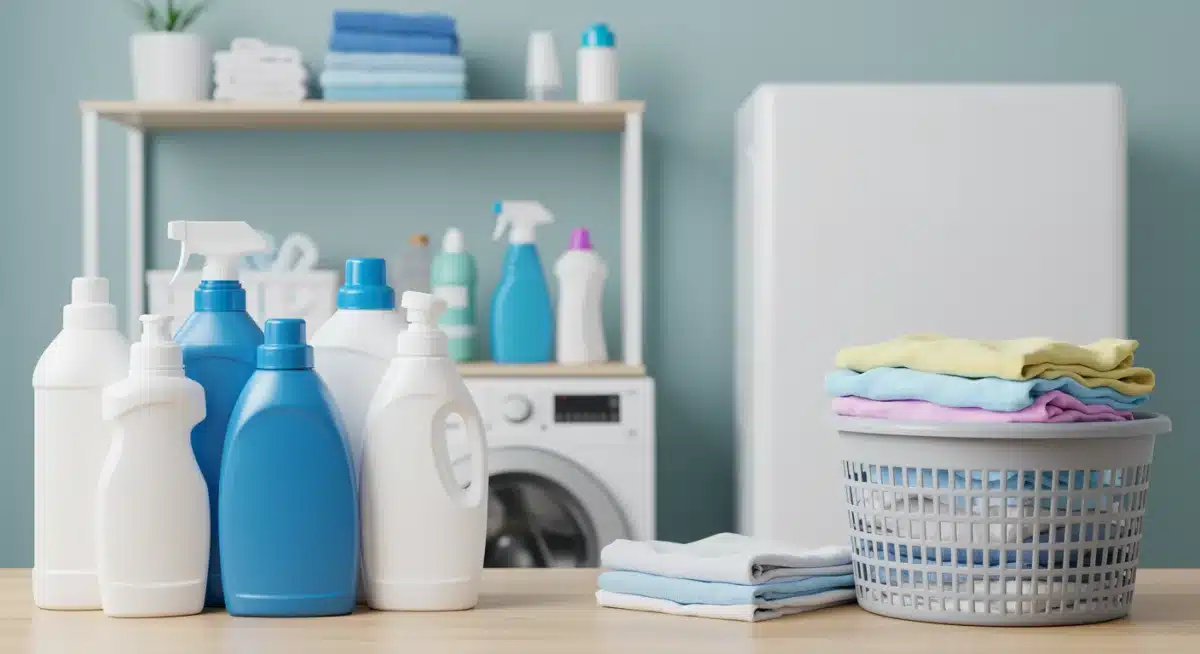
Understanding these common pitfalls will significantly improve your success rate in fabric stain removal, protecting your garments from unnecessary wear and tear.
The Environmental Impact of Stain Removal Practices
As consumers become more environmentally conscious, the impact of fabric stain removal practices is gaining attention. The chemicals used in many stain removers can have ecological consequences.
Exploring eco-friendly alternatives and understanding proper disposal methods are vital steps towards sustainable garment care. This shift benefits both the environment and personal health.
Embracing greener stain removal techniques contributes to a healthier planet and promotes responsible consumption habits, aligning with broader sustainability goals.
Eco-Friendly Alternatives and DIY Solutions
Many effective and environmentally friendly alternatives exist for fabric stain removal. Common household items like white vinegar, baking soda, and lemon juice can tackle a variety of stains.
These DIY solutions often reduce exposure to harsh chemicals and minimize environmental pollutants. They are also typically more cost-effective, offering a double benefit for the conscious consumer.
- Utilize white vinegar for deodorizing and mild stain treatment on many fabrics.
- Baking soda paste works well for absorbing oils and gently scrubbing away residues.
- Lemon juice combined with sunlight can naturally bleach some organic stains on whites.
Proper Disposal of Chemicals and Sustainable Choices
When using commercial stain removers, proper disposal of chemical residues and empty containers is crucial. Check local regulations for guidelines on hazardous waste disposal to prevent environmental contamination.
Opting for products with biodegradable formulas or those from companies committed to sustainable practices supports a healthier ecosystem. Making informed choices about your fabric stain removal products contributes to a greener future.
By prioritizing sustainable options, you not only achieve effective fabric stain removal but also contribute positively to environmental conservation efforts.
| Key Method | Description for Stain Removal |
|---|---|
| Identify Stain Type | Crucial first step to select the correct treatment for effective fabric stain removal. |
| Act Promptly | Immediate action and pre-treatment are key to preventing stains from setting permanently. |
| Proper Washing | Inspect garment before drying; heat can set residual stains, hindering complete removal. |
| Eco-Friendly Options | Explore natural alternatives and sustainable products for safer fabric stain removal. |
Frequently Asked Questions About Fabric Stain Removal
The most common mistake is rubbing a fresh stain instead of blotting it. Rubbing forces the stain deeper into the fabric fibers and can spread it, making removal much harder. Always blot gently from the outside in.
No, hot water should not be used for all stains. For protein-based stains like blood or egg, hot water can cook the protein, permanently setting the stain. Always start with cold water for unknown or protein stains.
Yes, many natural remedies like white vinegar, baking soda, and lemon juice are highly effective for various stains. They offer eco-friendly alternatives to commercial products and can be very useful for routine fabric stain removal.
Fabric type is extremely important. Delicate fabrics like silk or wool require milder treatments than durable cotton or synthetics. Always check the garment’s care label and test any stain remover on an inconspicuous area first.
If a stain persists after washing, do not put the garment in the dryer. Heat from the dryer will likely set the stain permanently. Re-treat the stain with an appropriate remover and wash again before attempting to dry.
Perspectives
The continuous evolution in fabric stain removal techniques and products offers renewed hope for preserving garments and reducing textile waste.
In conclusion, as environmental awareness grows, the focus on sustainable and effective solutions will only intensify.
Staying informed about new developments and adopting a methodical approach ensures that even the most challenging stains can be tackled successfully, ultimately extending the life of our clothes and contributing to a more sustainable lifestyle.
The ongoing pursuit of better fabric stain removal methods reflects a broader commitment to mindful consumption.
For a comprehensive, step-by-step approach to treating specific materials, you can consult the industry-standard fabric stain removal guide.