DOT Enforces Automatic Cash Refunds for Domestic Flight Delays
Advertisements
Have you ever spent hours stranded at a gate, only to be offered an expiring flight voucher instead of your hard-earned money back? New federal rules enforcing Automatic Cash Refunds are finally ending carrier delay tactics, putting real consumer protection directly into your bank account.
Under the mandated Department of Transportation rules, commercial airlines must issue prompt reimbursements without requiring passengers to jump through customer support hoops or file endless claims.
Whether your trip faces major schedule changes, severe flight disruptions, or baggage delays, carrier accountability is now legally enforced.
Knowing your statutory rights before stepping up to the gate ensures you never get trapped taking unwanted airline credit again. Here is everything you need to know about navigating automated passenger payouts on your next domestic flight.
Understanding the New DOT Refund Mandate
The Department of Transportation has officially enacted a groundbreaking rule, mandating that airlines provide automatic cash refunds for domestic flight delays exceeding three hours.
This policy represents a robust enhancement of consumer rights, aiming to simplify the reimbursement process for passengers.
Previously, obtaining refunds for flight disruptions often involved navigating complex airline policies and prolonged customer service interactions. The new rule directly addresses these frustrations by shifting the onus onto airlines to initiate the refund.
This regulatory change by the Department of Transportation Enforces Automatic Cash Refunds for Domestic Flight Delays Over 3 Hours, ensuring a more transparent and passenger-friendly approach to flight compensation.
Key Provisions of the Automatic Refund Rule
The core of this new regulation dictates that if a domestic flight is delayed by three hours or more, and the passenger chooses not to take the delayed flight, they are entitled to a full cash refund. This refund must be processed automatically by the airline, without the passenger needing to explicitly request it.
The rule specifically covers domestic flights, encompassing all major U.S. carriers and their operations within the country. It clarifies what constitutes a significant delay, setting a clear benchmark for when a refund becomes mandatory.
Furthermore, the Department of Transportation Enforces Automatic Cash Refunds, requiring these refunds to be issued within seven business days for credit card purchases and 20 calendar days for other payment methods.
- Eligibility Criteria: Domestic flight delays of three hours or more, where the passenger declines to travel.
- Refund Method: Cash or original form of payment, not vouchers or credits unless explicitly accepted by the passenger.
- Processing Time: Seven business days for credit card refunds; 20 calendar days for other payment types.
Impact on Airlines and Operational Adjustments
Airlines are now facing significant operational and financial adjustments due to the Department of Transportation Enforces Automatic Cash Refunds. Carriers must revamp their systems to identify eligible delays and initiate refunds proactively, rather than reactively.
This necessitates substantial investment in IT infrastructure and staff training to ensure compliance and avoid penalties. Airlines are also reviewing their scheduling practices and contingency plans to minimize delays that could trigger these automatic payouts.
The new rule introduces a heightened level of accountability, pushing airlines to prioritize on-time performance and passenger satisfaction more rigorously than before.
Challenges and Compliance for Carriers
Implementing the automatic refund system presents several challenges for airlines. They must accurately track delay durations, passenger decisions regarding rebooking, and process a high volume of refunds efficiently. Data integration across various operational systems is crucial for seamless execution.
Ensuring that all customer service personnel are fully aware of the new regulations and can communicate them effectively to passengers is another key aspect. Airlines risk significant fines from the DOT for non-compliance, making adherence a top priority.
The Department of Transportation Enforces Automatic Cash Refunds, requiring airlines to adapt quickly to these stringent new consumer protection standards.
Enhanced Consumer Rights and Passenger Benefits
The new DOT rule profoundly benefits air travelers by strengthening their rights and providing a clear path to compensation for significant flight delays. Passengers no longer have to fight for their money back, reducing stress and financial inconvenience associated with travel disruptions.
This proactive approach from the Department of Transportation fosters greater trust between consumers and airlines. It empowers travelers with the knowledge that their financial investment is protected, even when unexpected delays occur.
The transparency and automatic nature of these refunds are designed to put passengers first, ensuring they are fairly compensated when airlines fail to deliver on their schedules.
What Passengers Need to Know
Travelers should familiarize themselves with the specifics of the new rule to fully leverage their rights. Understanding the 3-hour threshold for domestic delays and the automatic nature of the refund is key.
While airlines are mandated to initiate refunds, passengers should still monitor their flight status and be aware of their options. If a refund is not processed automatically within the specified timeframe, passengers have recourse through the DOT.
The Department of Transportation Enforces Automatic Cash Refunds, making it crucial for passengers to know their entitlements and how to report any non-compliance.
- Stay Informed: Check flight status regularly and understand the 3-hour delay rule.
- Know Your Rights: Be aware that cash refunds are automatic for eligible delays if you choose not to fly.
- Report Issues: Contact the DOT if an airline fails to issue a timely refund for a qualifying delay.
Historical Context and Regulatory Evolution
The implementation of this new rule by the Department of Transportation is not an isolated event but rather the culmination of years of advocacy and evolving regulatory efforts. Consumer protection groups have long pushed for clearer and more enforceable refund policies for airline disruptions.
Past regulations often left too much ambiguity, allowing airlines to offer vouchers or credits instead of cash, which many passengers found unsatisfactory. The COVID-19 pandemic further highlighted these deficiencies, as mass cancellations led to widespread refund disputes.
This new mandate represents a decisive step by the Department of Transportation to solidify consumer protections, building on previous attempts to address airline accountability.
Previous Refund Policies vs. New Mandate
Historically, airline refund policies for delays varied widely and were often at the discretion of the individual carrier. While some airlines offered refunds for significant delays, others provided only rebooking options or future travel credits.
The lack of a standardized, enforceable federal rule meant that passengers often had to negotiate or escalate their claims, leading to frustration and inconsistent outcomes. The new DOT rule eliminates much of this ambiguity.
By explicitly stating that the Department of Transportation Enforces Automatic Cash Refunds, the agency has created a uniform standard that all domestic carriers must adhere to.
The Role of the Department of Transportation in Enforcement
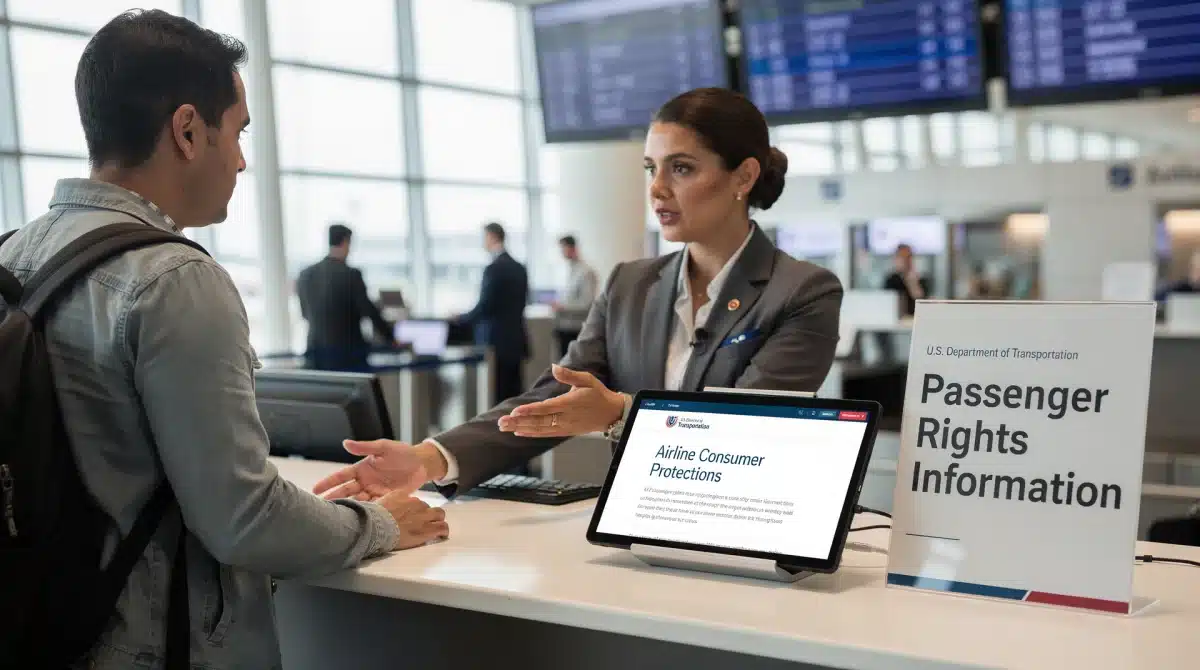
The Department of Transportation plays a pivotal role not only in establishing this new rule but also in its rigorous enforcement. The agency is equipped to investigate complaints and levy substantial fines against airlines that fail to comply with the automatic refund mandate.
This enforcement mechanism is crucial for the rule’s effectiveness, ensuring that airlines take their new obligations seriously. The DOT’s oversight provides a necessary safeguard for consumers, offering a formal channel for redress if problems arise.
The agency’s commitment to protecting air travelers is evident in its proactive stance on this significant policy change.
Reporting Non-Compliance and Seeking Recourse
Passengers who believe an airline has failed to provide an automatic cash refund for an eligible domestic flight delay over three hours can file a complaint with the Department of Transportation. The DOT provides an online portal for submitting such complaints, which are then investigated.
Documentation, such as flight details, delay notifications, and communication with the airline, will be vital in supporting a complaint. The DOT’s intervention can lead to a resolution, including the airline being compelled to issue the refund and potentially facing penalties.
This robust process ensures that the Department of Transportation Enforces Automatic Cash Refunds, providing a powerful avenue for consumer recourse.
Economic Implications for the Aviation Sector
The economic implications of the Department of Transportation Enforces Automatic Cash Refunds are significant for the aviation sector. Airlines will likely experience increased costs associated with these automatic payouts, particularly during periods of high operational disruptions.
This financial pressure could incentivize airlines to invest more heavily in operational efficiency, fleet maintenance, and robust contingency planning to avoid delays. The industry may also see adjustments in ticket pricing to account for the increased liability.
While potentially impacting airline profitability in the short term, the long-term goal is to foster a more reliable and consumer-centric air travel experience.
Potential for Industry-Wide Changes
The new refund rule could trigger broader changes across the aviation industry. Airlines might collaborate more closely with air traffic control and airport authorities to mitigate common causes of delays.
There could also be an acceleration in the adoption of advanced technologies for predictive maintenance and real-time operational adjustments. The focus will shift towards preventing delays rather than merely managing their aftermath.
The Department of Transportation Enforces Automatic Cash Refunds, potentially reshaping how airlines approach their core business model to prioritize punctuality and passenger satisfaction.
Future Outlook and Continued Advocacy
The implementation of automatic cash refunds for domestic flight delays over three hours marks a major victory for consumer advocates. However, the future outlook suggests continued vigilance and potential for further enhancements to passenger rights.
Advocacy groups will likely monitor the effectiveness of this rule and push for its expansion to international flights or shorter delay thresholds. The success of this mandate could pave the way for additional consumer protections in air travel.
The Department of Transportation’s commitment to these reforms indicates a clear direction towards a more accountable and passenger-focused aviation industry.
Expanding Protections and Global Standards
As the U.S. sets a new standard for domestic flight delays, there will inevitably be discussions about aligning these protections with global standards. Many other countries already have robust compensation rules for flight disruptions, often exceeding the current U.S. mandate.
The success of the automatic cash refund system could inspire legislative efforts to broaden its scope, ensuring that all travelers, regardless of their destination, receive fair treatment. This ongoing dialogue will shape the future of air passenger rights globally.
The Department of Transportation Enforces Automatic Cash Refunds, potentially influencing similar regulatory pushes in other jurisdictions and fostering a more unified approach to traveler protection.
| Key Point | Brief Description |
|---|---|
| New Rule | DOT mandates automatic cash refunds for domestic flight delays >3 hours. |
| Passenger Rights | Travelers are entitled to automatic cash refunds if they decline the delayed flight. |
| Airline Impact | Airlines must adjust systems for proactive refund processing and compliance. |
| Enforcement | DOT investigates complaints and can fine non-compliant airlines. |
Frequently Asked Questions About Flight Delay Refunds
It means airlines must proactively issue a refund to your original payment method without you needing to request it. If your domestic flight is delayed by three hours or more and you choose not to travel, the airline is required to process the refund automatically, typically within seven to 20 days.
No, this specific rule from the Department of Transportation Enforces Automatic Cash Refunds for Domestic Flight Delays Over 3 Hours. It applies only to domestic flights within the United States that experience a delay of three hours or more, and where the passenger decides not to take the delayed flight.
Under the new DOT rule, airlines must offer a cash refund as the default. They can offer you a travel voucher or credit, but you are not obligated to accept it. You have the right to insist on a cash refund to your original form of payment for eligible delays.
The Department of Transportation mandates specific timelines. For credit card purchases, the refund must be processed within seven business days. For payments made by other methods, such as cash or check, the refund must be issued within 20 calendar days.
If an airline fails to provide an automatic cash refund for an eligible flight delay as mandated, you should file a complaint directly with the Department of Transportation. The DOT will investigate your claim and take appropriate enforcement action against the airline.
Impact and Implications
The new directive where the Department of Transportation Enforces Automatic Cash Refunds for Domestic Flight Delays Over 3 Hours signifies a substantial enhancement of consumer protections in air travel.
This move not only simplifies the refund process for passengers but also places greater accountability on airlines to prioritize punctuality and efficient operations.
Travelers should remain informed about their rights, as this regulation sets a precedent for how future airline disruptions will be managed, potentially leading to a more reliable and transparent travel experience across the United States.
The DOT’s proactive stance underscores a commitment to safeguarding consumer interests in an evolving travel landscape.