Merino Wool vs. Cashmere: Which Winter Knit Lasts 3 Times Longer Under Regular Wear?
Advertisements
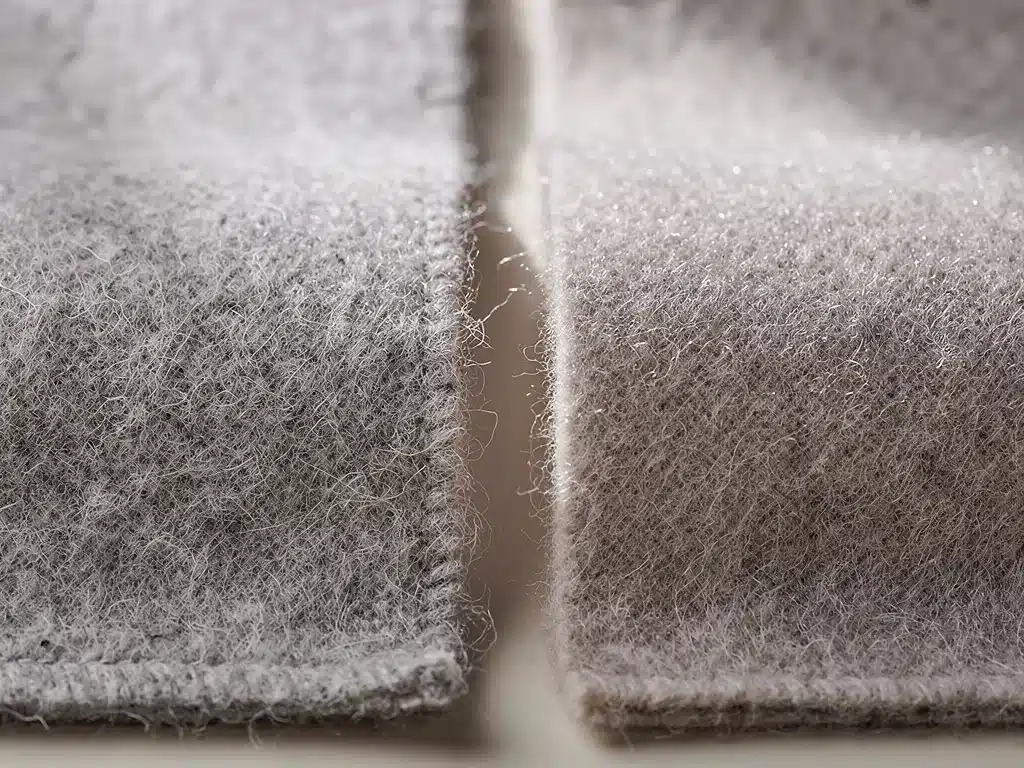
When investing in cold-weather wardrobe staples, choosing between Merino Wool vs. Cashmere often comes down to balancing soft luxury with long-term resilience.
Selecting the right premium fiber determines whether your favorite sweater thrives through years of cold seasons or shows premature wear.
While goats’ undercoats yield unparalleled softness, sheep-derived yarns boast exceptional tensile strength, natural elasticity, and resistance to pilling. Comparing these natural textiles under daily wear reveals significant differences in fiber structure, care requirements, and structural longevity.
Whether you are building a capsule wardrobe or looking for maximum return on investment, understanding yarn performance is essential. Here is a definitive look at fabric resilience, wear tests, and which luxury knit truly stands the test of time.
Understanding Merino Wool: A Natural Powerhouse for Durability
Merino wool, sourced primarily from Merino sheep, is celebrated for its exceptional fineness, softness, and remarkable strength. Its natural crimp and elasticity contribute significantly to its resilience, allowing garments to retain their shape and resist pilling more effectively than many other natural fibers.
The unique structure of Merino fibers, with their scale-like outer layer, provides natural protection against abrasion and wear. This inherent robustness makes Merino wool a preferred choice for activewear and everyday garments where durability is a key consideration.
Independent tests and consumer feedback consistently highlight Merino wool’s superior resistance to stretching, sagging, and developing holes under normal use.
This makes the question of Merino Wool vs. Cashmere particularly relevant for those prioritizing garment longevity.
The Science Behind Merino’s Resilience
Merino wool fibers possess a complex protein structure, primarily keratin, which provides both strength and flexibility. The natural crimp in each fiber acts like a tiny spring, allowing the fabric to stretch and recover its original shape without permanent deformation.
This inherent elasticity is a major factor in Merino wool’s ability to withstand repeated wearing and washing cycles. It minimizes the risk of tearing and maintains the garment’s structural integrity over an extended period.
- Fiber Crimp: Provides natural elasticity and shape retention.
- Keratin Structure: Contributes to fiber strength and flexibility.
- Scale-like Surface: Offers protection against abrasion and wear.
- Moisture Management: Helps maintain fiber integrity by regulating humidity.
Merino Wool in Everyday Wear: Performance Metrics
In practical terms, Merino wool garments consistently outperform many other natural fibers in scenarios involving daily friction and movement. Its ability to resist pilling, a common issue with knitted fabrics, further enhances its perceived and actual durability.
Athletes and outdoor enthusiasts frequently choose Merino wool for its performance under strenuous conditions, where fabrics are subjected to significant stress. This real-world application underscores its inherent hardiness.
When evaluating Merino Wool vs. Cashmere, the evidence points towards Merino’s robust nature, making it a reliable option for garments intended for frequent use.
Exploring Cashmere: The Epitome of Luxury and Delicacy
Cashmere, renowned for its unparalleled softness and luxurious feel, is derived from the fine undercoat of cashmere goats. Its fibers are significantly finer and softer than Merino wool, contributing to its delicate texture and exquisite drape.
While cashmere offers exceptional warmth without bulk, its delicate nature often raises questions about its long-term durability. The very characteristics that make it so luxurious can also render it more susceptible to wear and tear.
The perception of cashmere as a fragile fabric, requiring meticulous care, is not without basis. Its finer fibers, while soft, can be more prone to breakage and pilling under regular or strenuous use.
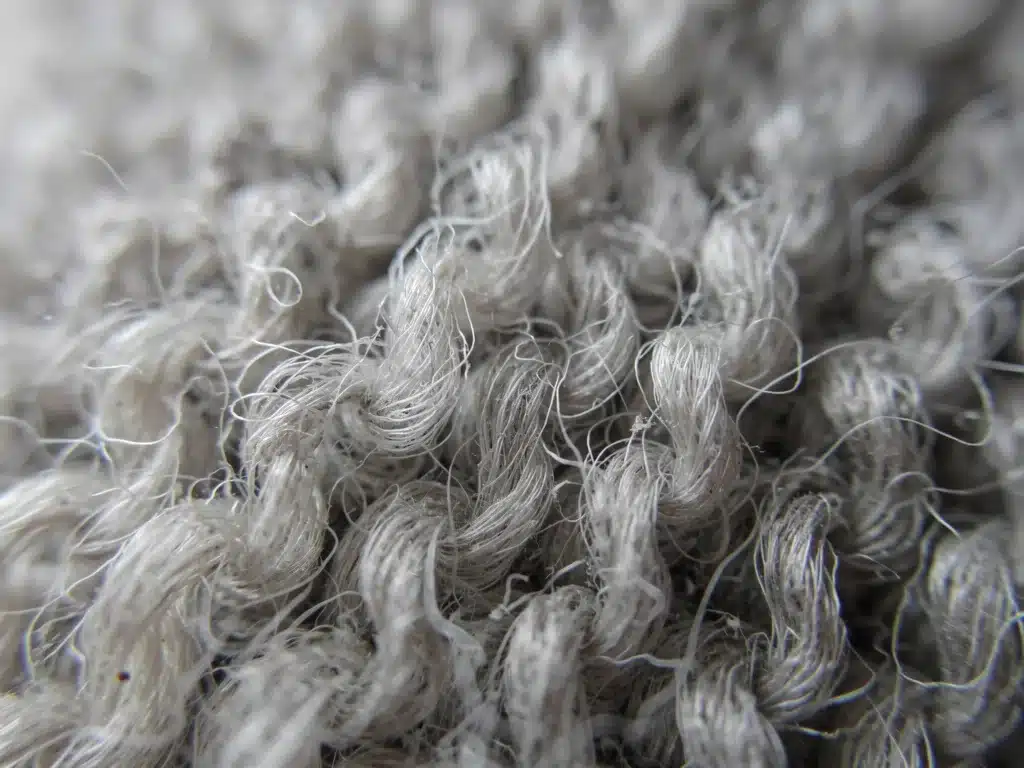
The Intricacies of Cashmere Fiber Structure
Cashmere fibers are exceptionally smooth and fine, typically ranging from 14 to 19 microns in diameter, which is considerably thinner than most Merino wool grades. This fineness is what gives cashmere its signature soft handfeel.
However, the lack of crimp and the relatively delicate nature of these fine fibers mean that cashmere yarns can be more prone to shedding and developing pills, especially in areas of high friction. This contrasts sharply with the resilience seen in Merino wool.
The manufacturing process of cashmere garments often involves looser knits to maximize softness, which can further impact their structural integrity and susceptibility to damage over time.
- Fiber Fineness: Contributes to extreme softness but can reduce tensile strength.
- Low Crimp: Less elasticity compared to Merino, potentially leading to shape loss.
- Delicate Structure: More susceptible to abrasion and pilling.
- Care Requirements: Often necessitates specialized care to maintain integrity.
Cashmere’s Durability Under Regular Conditions
When subjected to the rigors of regular wear, cashmere garments often require more careful handling and maintenance to preserve their appearance and structure. Pilling, a common issue, can occur quickly in areas like armpits or elbows.
While high-quality cashmere can be surprisingly resilient, its overall lifespan under constant use is generally shorter than that of a comparable Merino wool garment. This is a crucial distinction in the Merino Wool vs. Cashmere debate.
Consumers who prioritize the luxurious feel of cashmere often accept the trade-off in terms of durability, understanding that these garments are often considered investment pieces requiring extra care.
Direct Comparison: Wear and Tear Resistance
When directly comparing the wear and tear resistance of Merino wool and cashmere, several factors come into play, including fiber strength, elasticity, and resistance to pilling. These elements collectively determine how well each fabric holds up over time.
Merino wool’s natural crimp and robust fiber structure give it a distinct advantage in resisting stretching and maintaining its shape. This makes it highly suitable for everyday garments that undergo frequent use and washing.
Cashmere, while undeniably soft, tends to be more delicate. Its finer, smoother fibers are more prone to surface friction, leading to pilling and potential fiber breakage, particularly in areas of high contact.
Pilling Resistance: A Key Metric
Pilling, the formation of small balls of fiber on the surface of a fabric, is a common indicator of wear. Merino wool generally exhibits superior resistance to pilling compared to cashmere, especially when both are subjected to similar levels of friction.
The tightly packed and crimped structure of Merino fibers helps to lock them in place, reducing the likelihood of loose fibers migrating to the surface and forming pills. This contributes significantly to its cleaner appearance over time.
Cashmere’s looser, finer fibers, on the other hand, can more easily detach and tangle, leading to noticeable pilling. This often necessitates regular depilling to maintain the garment’s aesthetic appeal, adding to its maintenance requirements.
Tensile Strength and Abrasion Resistance
Merino wool boasts higher tensile strength, meaning it can withstand greater pulling forces before breaking, and better abrasion resistance. These properties are critical for garments that experience constant rubbing against other surfaces or the body.
This inherent strength makes Merino wool ideal for outer layers and activewear, where fabrics are expected to endure significant stress. Its ability to resist snags and tears is a testament to its robust construction.
Cashmere, while strong for its fineness, does not typically match Merino wool in terms of overall tensile strength or abrasion resistance. Its delicate fibers are more vulnerable to damage from sharp objects or rough surfaces, impacting its long-term integrity.
Care and Maintenance: Impact on Longevity
The lifespan of both Merino wool and cashmere garments is significantly influenced by proper care and maintenance. While both require gentle handling, the specific needs of each fiber can affect their perceived durability and ease of ownership.
Merino wool is often more forgiving when it comes to washing and drying, with many garments being machine washable on a gentle cycle. This ease of care contributes to its practical longevity for consumers with busy lifestyles.
Cashmere, by contrast, typically demands more delicate care, often recommending hand washing or dry cleaning. Improper washing or aggressive handling can quickly lead to damage, pilling, and loss of shape, shortening its lifespan.
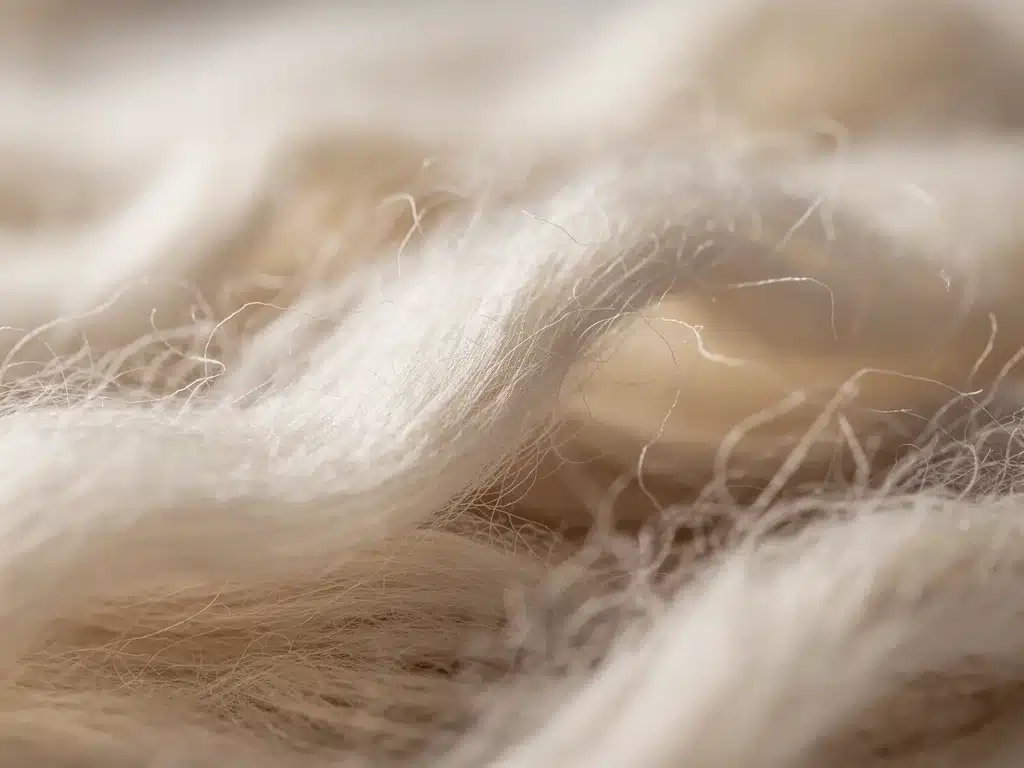
Washing Protocols for Maximum Lifespan
For Merino wool, adhering to recommended washing instructions, which often include cold water and gentle cycles, is usually sufficient to maintain garment quality. Its natural resilience helps it withstand these processes without significant degradation.
The natural anti-microbial properties of Merino wool also mean it requires less frequent washing, further extending its lifespan by reducing exposure to mechanical stress and detergents. This is a significant advantage in the Merino Wool vs. Cashmere discussion.
Cashmere, however, benefits greatly from careful hand washing with specialized wool detergents, or professional dry cleaning. Avoiding harsh chemicals and excessive agitation is crucial to prevent felting, shrinking, or fiber damage.
Storage and Prevention of Damage
Proper storage is vital for both fibers but particularly critical for cashmere. Both should be stored clean and dry, preferably folded rather than hung, to prevent stretching and distortion. Protection from pests like moths is also essential.
Merino wool’s natural elasticity makes it more forgiving if accidentally stretched, though proper storage is still recommended. Its robust nature means it can tolerate minor imperfections in storage conditions better than cashmere.
Cashmere, due to its delicate fibers, is more susceptible to damage from improper storage, including permanent creases or stretching. Careful folding and storage in breathable bags are often advised to prolong its life and maintain its luxurious feel.
Cost vs. Longevity: An Investment Perspective
The initial cost of Merino wool and cashmere garments varies significantly, with cashmere typically commanding a higher price point due to its rarity and labor-intensive processing. However, the true value lies in the balance between cost and longevity.
While cashmere offers an undeniable luxury experience, its higher price combined with potentially shorter lifespan and increased care requirements can influence its overall cost-effectiveness. This is particularly relevant when considering Merino Wool vs. Cashmere.
Merino wool, often more affordable, presents a compelling value proposition due to its durability and ease of care, suggesting a better long-term investment for many consumers.
Analyzing the Return on Investment for Each Fiber
From an investment perspective, Merino wool often provides a better return due to its extended lifespan and lower maintenance costs. A well-cared-for Merino garment can last for many years, enduring countless wears and washes without significant loss of quality.
The versatility of Merino wool, suitable for both casual and active wear, further enhances its value, as it can serve multiple purposes within a wardrobe. Its robust nature means it can withstand the demands of various activities.
Cashmere, while delivering immediate gratification through its luxurious feel, may require more frequent replacement or costly professional care, potentially eroding its long-term value. This makes the initial cost a less reliable indicator of true value.
Consumer Expectations and Perceived Value
Consumer expectations play a significant role in the perceived value of these fibers. Those seeking ultimate softness and luxury may be willing to overlook the durability trade-offs associated with cashmere.
However, for consumers prioritizing practicality, longevity, and ease of care, Merino wool often emerges as the more appealing option. The debate over Merino Wool vs. Cashmere ultimately comes down to individual priorities.
The market trend shows a growing appreciation for durable, sustainable garments, placing Merino wool in a strong position as a smart investment for conscious consumers.
Environmental Impact and Sustainability
Beyond durability, the environmental impact and sustainability of Merino wool and cashmere production are increasingly important considerations for consumers. Both fibers are natural, but their farming and processing methods carry distinct ecological footprints.
Merino wool production generally involves well-established, regulated farming practices, with a focus on animal welfare and land management. Its widespread availability and efficient processing contribute to a relatively lower environmental impact per garment.
Cashmere production, particularly due to the growing global demand, has raised concerns about overgrazing and land degradation in delicate ecosystems where cashmere goats are raised. This can lead to desertification and loss of biodiversity.
Sustainable Sourcing and Ethical Production
Many Merino wool producers are actively engaged in sustainable farming initiatives, focusing on responsible land stewardship and ethical animal treatment. Certifications like the Responsible Wool Standard (RWS) provide assurance of sustainable practices.
The larger scale of Merino wool production allows for more standardized and traceable supply chains, making it easier for consumers to identify ethically sourced products. This transparency is a key factor for environmentally conscious buyers.
For cashmere, the challenge lies in regulating vast, often informal, networks of small-scale herders. Efforts are being made to promote sustainable cashmere production, but widespread certification and traceability remain more complex than for Merino wool.
Longevity as a Sustainability Factor
The durability of a garment directly impacts its sustainability, as longer-lasting items reduce the need for frequent replacement and thus lessen overall consumption and waste. In this regard, the answer to Merino Wool vs. Cashmere has significant environmental implications.
Merino wool’s superior durability means garments can be worn for more seasons, reducing textile waste and the resources required for new production. This extended lifespan aligns with principles of circular fashion and reduced environmental burden.
While luxurious, if cashmere garments have a shorter functional life due to delicate fibers or intensive care needs, their overall environmental footprint might be higher if they are replaced more frequently. Choosing durable materials is a conscious step towards sustainable living.
Consumer Verdict: Making an Informed Choice
Ultimately, the choice between Merino wool and cashmere depends on a consumer’s priorities. If unparalleled softness and luxury are paramount, and the wearer is prepared for meticulous care, cashmere remains an exquisite option.
However, for those prioritizing durability, practicality, and a better return on investment under regular wear, Merino wool presents a compelling and often superior choice. Its resilience, ease of care, and robust nature make it a versatile staple for any winter wardrobe.
The question of Merino Wool vs. Cashmere clearly favors Merino wool in terms of longevity and resistance to daily wear and tear, making it the more practical and sustainable option for many.
| Key Feature | Comparison |
|---|---|
| Durability | Merino wool generally offers superior resistance to wear and tear. |
| Softness | Cashmere is renowned for its unparalleled, luxurious softness. |
| Pilling Resistance | Merino wool typically exhibits better resistance to pilling. |
| Care Requirements | Merino wool is often easier to care for; cashmere requires delicate handling. |
Frequently Asked Questions About Winter Knits
Yes, generally Merino wool is considered more durable than cashmere for regular wear. Its natural crimp and stronger fiber structure provide better resistance to pilling, stretching, and abrasion, leading to a longer lifespan under normal use conditions.
Cashmere fibers are significantly finer and smoother than Merino wool fibers, typically ranging from 14 to 19 microns. This extreme fineness and lack of scales contribute to its characteristic luxurious, soft, and silky feel against the skin.
Merino wool generally pills less than cashmere. Its fibers are more robust and less prone to breaking and tangling on the surface, which causes pilling. Cashmere’s delicate fibers are more susceptible to surface friction and subsequent pilling.
Merino wool is overwhelmingly preferred for activewear due to its superior durability, moisture-wicking properties, odor resistance, and ability to regulate temperature. Cashmere’s delicate nature makes it less suitable for high-activity garments.
Merino wool often tolerates gentle machine washing, but always check labels. Cashmere typically requires hand washing with cold water and mild detergent, or professional dry cleaning, to preserve its delicate fibers and shape.
Perspectives on Fiber Performance
The ongoing analysis of fiber performance continues to shape consumer preferences and industry innovations. The discussion around Merino Wool vs. Cashmere highlights a critical intersection of luxury, practicality, and sustainability.
As consumers become more discerning, the demand for transparent information on product longevity and environmental impact will only grow, influencing purchasing habits and driving brands towards more robust and responsible offerings.